
Short answer
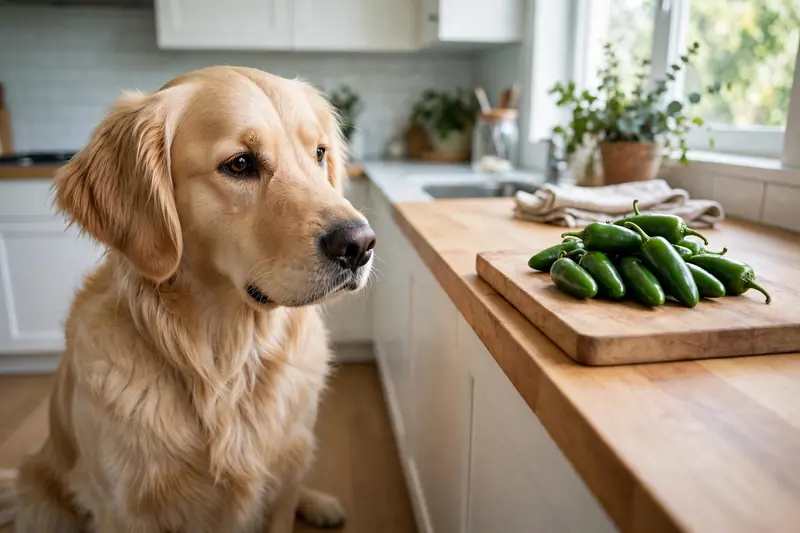
Can dogs eat jalapenos? No — and it’s worth knowing why, because it’s not quite as simple as “toxic or safe.” Jalapeños won’t poison your dog the way chocolate or grapes can, but that heat still burns their mouth and stomach. Even one small piece can leave them drooling, throwing up, or dealing with diarrhea.
That’s really the whole story in one line: not poisonous, but still a bad idea. So if your pup just snatched a bite off the counter, don’t panic — but don’t hand one over on purpose either. Plenty of crunchy veggies are actually enjoyable for dogs, and below you’ll find what to do right now, what to keep an eye on, and the swaps that make sense.
Why jalapenos hurt dogs: it is all about capsaicin
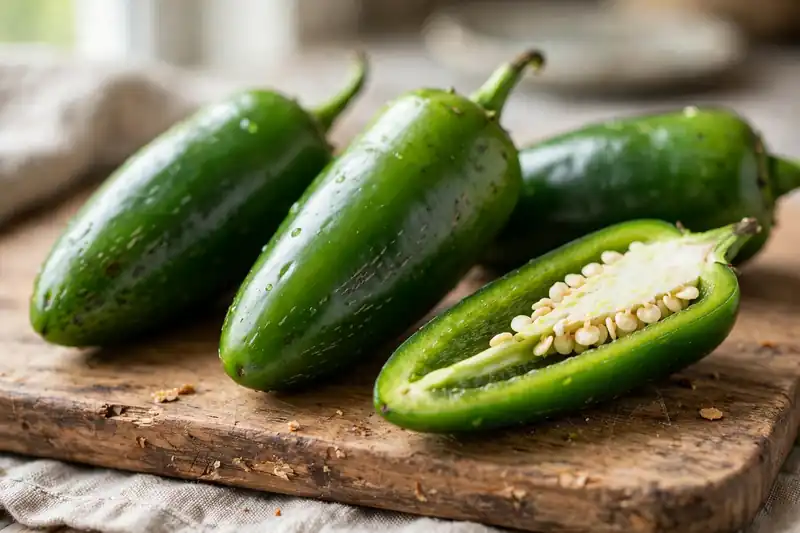
Jalapeños get their heat from capsaicin, the same compound that makes chili peppers burn. A jalapeño usually scores between 2,500 and 8,000 on the Scoville scale — mild for most people, but dogs are far more sensitive to it than we are. Think of the burn you feel after biting into a raw jalapeño, then imagine having no idea what’s happening or when it will stop. That’s roughly what your dog is dealing with, and their stomach’s first instinct is to get rid of the irritant.
The American Kennel Club (AKC) says it plainly in its pepper guidance: never give your dog spicy pepper varieties, such as jalapeños or chili peppers. Right next to that advice, it notes that plain bell peppers are safe — and that contrast is the point. It’s the heat that’s the problem, not peppers in general.
Capsaicin irritates everywhere it touches: mouth, throat, stomach, gut. That’s why trouble tends to show up in two waves — pawing at the mouth and drooling first, then stomach pain, vomiting, or diarrhea a little later.
The same rule covers the rest of the chili family
Jalapeños are not the only pepper to keep away from dogs. Serrano, habanero, cayenne, chili flakes, and chili powder all carry capsaicin and cause the same mouth and stomach irritation, so they follow the exact same rule: none for dogs, in any form. Only sweet bell peppers are the safe swap — every hot variety stays off your dog’s plate.
Are there any benefits to feeding jalapenos to dogs?
Honestly? No benefit worth the burn. Yes, jalapeños contain vitamin C and a bit of fiber, and you’ll see some pet sites mention anti-inflammatory properties. But dogs make their own vitamin C, a complete dog food already covers their vitamin needs, and every one of those nutrients is sitting in a plain bell pepper — with zero heat.
So your dog gains nothing from one of these peppers that it can’t get more safely somewhere else. That’s why vets don’t file this under “feed in moderation.” It’s a “skip it” food, plain and simple.
The risks, in plain terms
- Burning mouth and throat: drooling, pawing at the face, licking the lips, whining, or restlessness.
- Stomach upset: vomiting, diarrhea, gas, bloating, and belly pain.
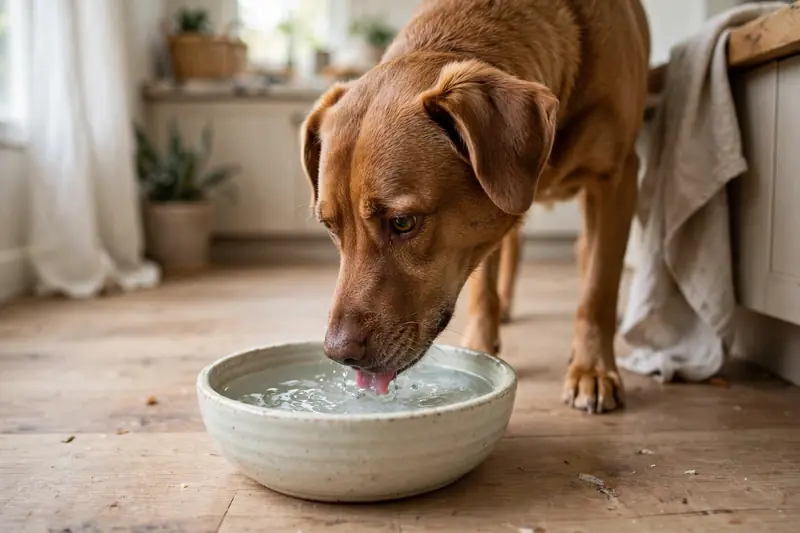
- Thirst and dehydration: a dog that has eaten something spicy will often drink a lot of water, and if vomiting or diarrhea continues, dehydration becomes the real danger.
- Distress and panic: dogs cannot understand the burning sensation, so they may pace, pant, or act frightened. That distress alone is reason enough not to feed hot peppers.
- Hidden dangers in mixed dishes: jalapeños rarely arrive alone. Nachos, salsa, guacamole, jalapeño poppers, and pizza toppings often bring onion and garlic with them, and the ASPCA lists onion and garlic as foods that damage a dog’s red blood cells. Cooking does not make onion or garlic safe.
How to serve jalapenos safely: the honest version
There is no recommended portion here, and this guide won’t pretend otherwise. The AKC’s position is to never give spicy varieties, and no preparation method — raw, cooked, deseeded, or “just a tiny piece” — takes the capsaicin out.
Most owners land here with one of two questions, so here are straight answers to both:
“My dog already ate a piece — how bad is it?”
One small bite probably won’t poison a healthy adult dog, but it can still make them properly uncomfortable. And size matters here — the same piece hits a little Chihuahua a lot harder than a Labrador, simply because it’s a bigger dose for a smaller body. For puppies, senior dogs, and any dog with a sensitive stomach, pancreatitis, or bowel trouble, even a small taste is worth a call to the vet.
“Does cooking, deseeding, or pickling make them safe?”
No. Cooking softens the pepper, but it doesn’t take the capsaicin out. Taking the seeds and white pith out lowers the burn a touch — that’s where most of the heat sits — yet the flesh itself is still spicy. Pickled ones are worse, not better: the brine adds salt and vinegar, and plenty of pickled products also contain garlic. And poppers just pile cheese, breading, and frying oil on top of the heat. None of these belong in your dog’s bowl.
If you want to share a pepper, share this one instead: a plain bell pepper, washed, deseeded, stem removed, cut into small pieces, with no salt, oil, onion, or garlic. Red bell peppers are the sweetest and richest in beta-carotene, and the AKC suggests less than a quarter of a pepper at a time for small dogs and less than half for large dogs. That is the safe way to give your dog the crunch it was begging for.
My dog ate a jalapeno — what to do now
First, stay calm. Most cases settle at home with watching and water — just don’t brush the symptoms off either. Work through these steps:
- Take the rest away. Pick up any remaining pepper, poppers, nachos, or salsa so your dog cannot go back for more. If you were chopping peppers, wipe the board and wash your hands — capsaicin transfers easily.
- Work out what and how much. A lick of salsa is different from a whole jalapeño, and a dish with onion or garlic is different again. Note the amount, the time, and your dog’s weight, and keep the packaging or label if there is one.
- Offer fresh, cool water. Let your dog drink normally. Do not force water, milk, or food into your dog’s mouth, and do not try to make your dog vomit at home unless a veterinarian specifically tells you to — vomiting can drag the irritant back up through the throat.
- Offer a bland meal later if the stomach is upset. Once any vomiting has settled, a small meal of plain cooked chicken and rice, or your dog’s normal food in a smaller portion, is gentler than a full bowl. Skip treats and fatty foods for the rest of the day.
- Watch for 24 hours. Most symptoms appear within the first few hours and fade within a day. Keep an eye on appetite, energy, vomiting, stool, and drinking.
Symptoms to watch for, and when to call a vet
Mild symptoms that usually pass with home monitoring:
- Drooling or pawing at the mouth
- Lip licking or restlessness
- One episode of vomiting or a single loose stool
- Extra thirst
Call your vet promptly if you see any of these:
- Repeated vomiting or diarrhea that does not stop
- Vomiting or diarrhea lasting more than 24 hours
- Blood in vomit or stool
- Signs of dehydration: dry gums, sunken eyes, lethargy, or refusing water
- Belly pain: hunching, whining, or refusing to lie down comfortably
- Trouble breathing, facial swelling, or collapse (emergency — go now)
Call straight away, without waiting, if:
- Your dog is a puppy, very small, elderly, or has pancreatitis or a sensitive stomach
- Your dog ate a large amount, a whole pepper, or several poppers
- The dish also contained onion or garlic — red blood cell damage from these can show up days later as weakness, pale gums, or dark urine, so mention the ingredients even if your dog seems fine at first

If you cannot reach your own vet, the ASPCA Animal Poison Control Center is available at (888) 426-4435 and the Pet Poison Helpline at (855) 764-7661. Both may charge a consultation fee, so have your dog’s weight, the amount eaten, and the time ready before you call.
What to avoid
- Jalapeño poppers, nachos, salsa, and spicy pizza toppings. The cheese, oil, salt, and often onion and garlic stack extra problems on top of the heat.
- Pickled or jarred jalapeños. Salt, vinegar, and spices — and frequently garlic — make these a worse choice than fresh.
- “Just a tiny taste to see if they like it.” Dogs do not need to build a tolerance to spice, and a taste that seems harmless can still mean an uncomfortable afternoon.
- Garden pepper plants. Keep dogs away from the plants themselves as well as the peppers; leaves and stems are not food.
- Making your dog vomit at home. Unless a vet instructs it, this risks more irritation and can be dangerous if your dog is drowsy or struggling to breathe.
- Giving human stomach medicines. Never give your dog painkillers or antacids meant for people without veterinary approval.
Safe alternatives your dog will actually enjoy
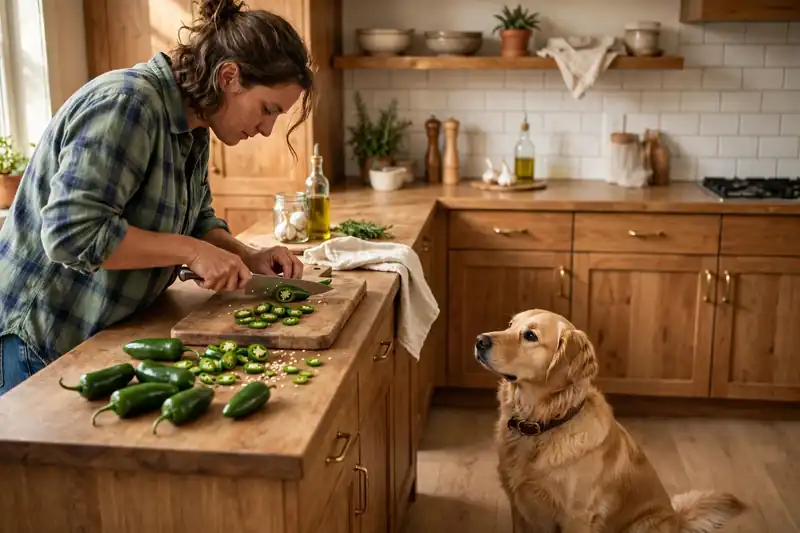
If your dog was hovering hopefully while you chopped peppers, these give them that same crunch without the burn:
- Bell peppers — red, yellow, orange, or green, plain and deseeded. The closest swap in crunch and colour, with no heat.
- Cucumber slices — cool, hydrating, and low in calories.
- Carrot sticks — crunchy, sweet, and easy to cut to your dog’s size.
- Green beans — plain, cooked or raw, with no salt or seasoning.
- Blueberries — a small, sweet training treat.
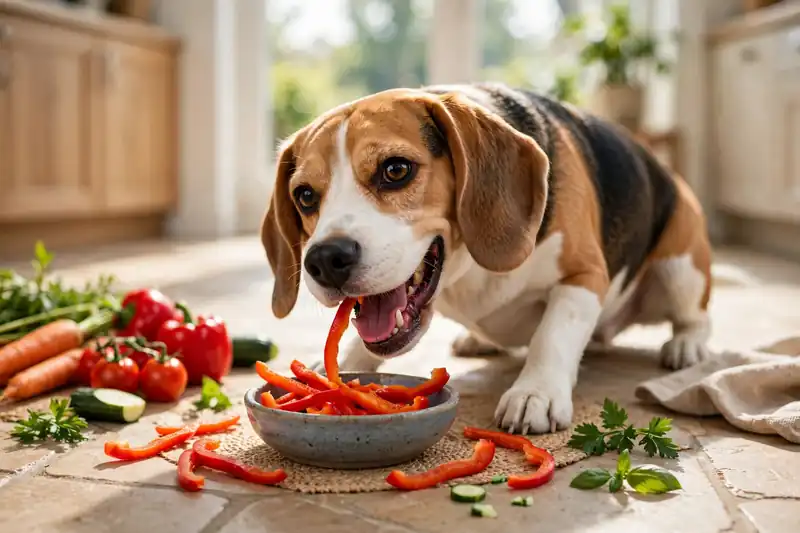
Keep any treat, including these, to a small part of your dog’s daily food — the usual veterinary rule is under 10 percent of daily calories.
Keeping jalapenos away from your dog
Most jalapeño incidents are accidents: a dropped slice while cooking, a nacho plate left on a low table, a garden plant in reach. Chop peppers on a high counter, keep plates and takeaway boxes out of reach, close the bin lid, and teach a solid “leave it” cue. If guests are sharing food, a quick word beforehand saves a vet call later.
FAQ
FAQ — Can dogs eat jalapenos?
Q1: Are jalapenos safe for dogs at all?
A: No — skip them. They won’t poison your dog like chocolate can, but the capsaicin still burns their mouth and stomach, and drooling, vomiting, and diarrhea are common after even a small piece. The AKC’s advice is simple: never give dogs spicy pepper varieties like these.
Q2: Are jalapenos toxic or poisonous to dogs?
A: They’re not classed as poisonous, and one small accidental bite probably won’t be life-threatening for a healthy adult dog. But “not poisonous” isn’t the same as safe — the irritation is real, and a bigger amount, or a dog with a sensitive stomach, can end up seriously unwell.
Q3: My dog ate a jalapeno — should I call the vet?
A: If it was just a small taste, your dog is a healthy adult, and the symptoms are mild, watching at home with fresh water for 24 hours is usually enough. Get on the phone to your vet if vomiting or diarrhea keeps coming back or lasts more than a day, if there’s blood in vomit or stool, if your dog seems in pain or wiped out, or if they’re a puppy, very small, elderly, or living with a health condition. Call straight away if the dish also had onion or garlic in it.
Q4: Are cooked jalapenos or jalapeno seeds safe for dogs?
A: Neither one. Cooking doesn’t remove capsaicin, and the seeds and white pith carry the most heat, so deseeding doesn’t make one of these peppers dog-friendly. Pickled ones are worse still, thanks to the salt, vinegar, and often garlic in the brine.
Q5: Are jalapeno poppers or salsa safe for dogs?
A: No. Poppers add cheese, breading, and frying oil, while salsa and nachos often bring onion, garlic, and salt along too. The ASPCA lists onion and garlic as damaging to dogs’ red blood cells, so a mixed spicy dish is worth a vet call even if the pepper on its own might not be.
Q6: What peppers can dogs eat instead?
A: Plain bell peppers in any colour — red, yellow, orange, or green — are the safe swap. Serve them washed, deseeded, with the stem removed, cut small, and with nothing added. The AKC suggests less than a quarter of a pepper at a time for small dogs and less than half for large dogs.
Q7: Why does my dog love jalapenos?
A: Usually it is the smell, or the fatty, savory food the pepper came with — not the pepper itself. Dogs do feel the burn from capsaicin, even if they go back for more, so a dog that loves the smell still should not be given any.
Q8: Are spicy peppers toxic to dogs?
A: Capsaicin peppers are not classed as poisonous, but they are not safe either — they irritate the mouth, throat, and stomach, and can cause drooling, vomiting, and diarrhea. That goes for the whole chili family, not just jalapenos. Plain bell peppers are the only safe swap.
The bottom line
The short answer is still no. They won’t poison your dog the way some foods can, but there’s nothing in a jalapeño your dog needs — and plenty that will make them miserable for an afternoon. Keep the spice for your own plate, hand your dog a strip of sweet bell pepper instead, and if a bite has already been stolen, offer water, watch for a day, and call your vet if things don’t settle.
Disclaimer: This guide is general information only and does not replace advice from your own veterinarian. If your dog is unwell, or you are unsure about anything your dog has eaten, contact your vet or an animal poison line promptly.


