The Short Answer
Yes, dogs can eat pasta — but only plain, cooked pasta with nothing on it, and only as an occasional treat. The pasta itself is not toxic. The danger is almost always what goes on top of it: sauces made with garlic or onion, butter, cheese, and cream. Those are the ingredients that send dogs to the vet, not the noodles.
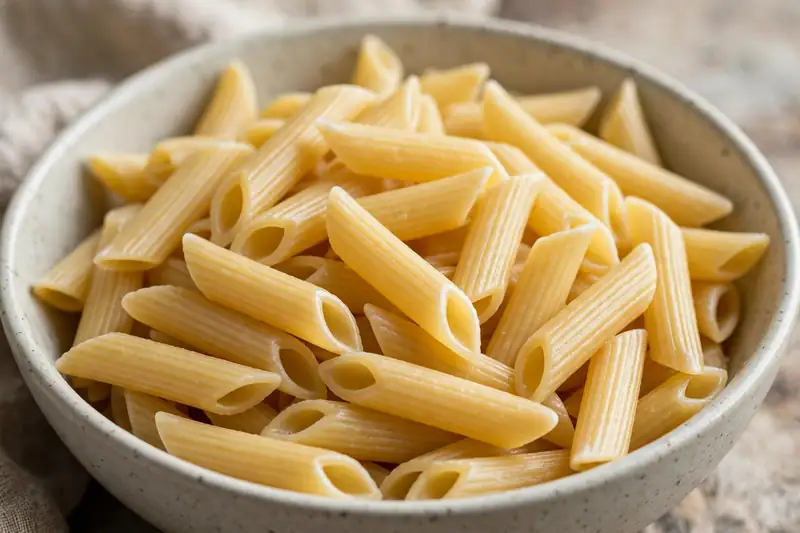
Why Plain Pasta Is Fine (and Nothing Special)
Plain pasta is flour, water, and sometimes egg, boiled until soft. It is easy for most dogs to digest and, frankly, nutritionally boring: mostly starch, low in protein, and missing the vitamins and minerals dogs need. That is why it works as a rare treat but never as a meal. Some vets include plain pasta or rice with a lean protein in a short bland diet after a mild stomach upset — but that is a vet-guided recovery plan, not a reason to feed pasta regularly.
The Real Risk: Sauces and Toppings
This is where most pasta accidents happen. Run through this list before your dog gets anywhere near your plate:
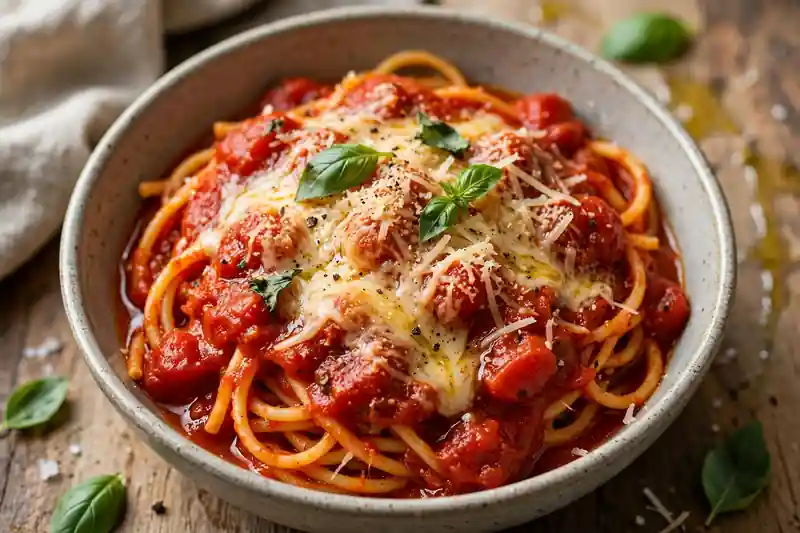
- Garlic and onion. Bolognese, marinara, garlic butter, and most jarred sauces contain them. The ASPCA lists garlic and onion as toxic to dogs: they can damage red blood cells and cause anemia. The scary part is the delay — signs like lethargy, pale gums, fast breathing, or dark urine can show up a few days after eating.

- Cream, butter, and cheese. Rich, fatty sauces can trigger vomiting, diarrhea, or pancreatitis — a painful inflammation of the pancreas that needs vet care.
- Salt. Pasta water salt, salty sauces, and parmesan all add up. Too much salt can cause excessive thirst, vomiting, or, in severe cases, salt poisoning.
- Spices and extras. Chili flakes, pepper, mushrooms in some sauces, and xylitol-sweetened products are all wrong for dogs.
- Raw or dry pasta. Uncooked pasta is hard, difficult to digest, and a choking risk for dogs that gulp food. Dried pieces can also swell in the stomach.
Wheat Allergies and Sensitive Stomachs
True wheat allergy in dogs is not common, but it happens. Signs to watch for include itchy skin, ear infections that keep coming back, and ongoing gut upset after grain foods. If your dog has a known wheat or grain sensitivity, skip pasta entirely — gluten-free pasta made from rice or corn follows the same plain-only rule but is not automatically safer; it is still just starch.
How to Serve Pasta Safely
- Boil it plain. Water only — no salt in the pot, no oil, no stock cube.
- Cook it fully and let it cool completely. Cut long shapes like spaghetti into short pieces for small dogs.
- Keep it small. A few tablespoons for a medium dog, less for a small dog, and always within the 10% treat rule.
- Serve it occasionally. Once in a while is fine; weekly pasta nights are not a good habit for a dog.
- Skip the extras. No sauce, no butter, no cheese, no meatballs from your plate (they are seasoned too).
- Watch the first time. A new food can cause soft stools even when it is safe — if pasta upsets your dog’s stomach, drop it.
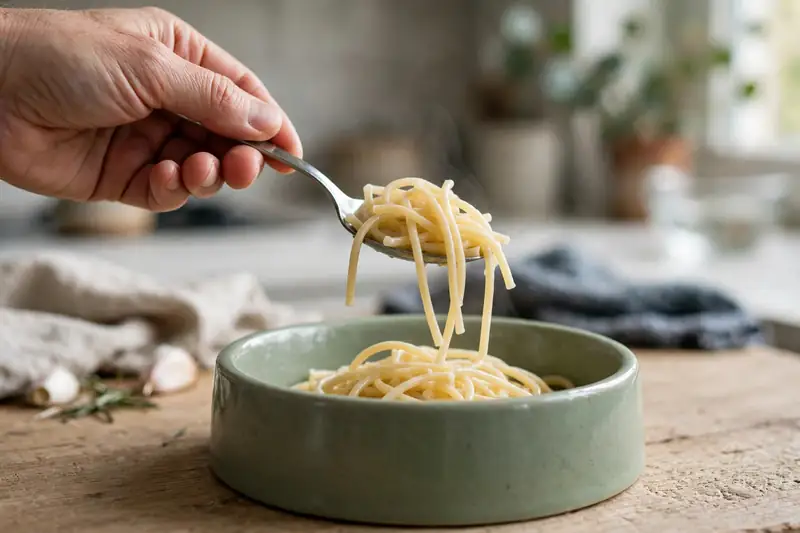
Whole wheat pasta is fine under the same rules and adds a little fiber, but it is not meaningfully healthier for dogs than white pasta. Choose whichever you have; the “plain and small” part is what matters.
Instant Noodles and Macaroni Cheese
Two pasta dishes owners ask about deserve their own warning. Instant ramen noodles come with seasoning sachets that are high in salt and often contain garlic or onion powder — the noodles without the sachet are just plain noodles, but even then they are only a rare, tiny treat, never a meal. Macaroni cheese is worse: cheese, butter, and milk add fat and salt, and many dogs are sensitive to dairy. A licked spoonful is a stomach-upset risk rather than an emergency, but it is not something to share on purpose.
What If Your Dog Ate Sauced Pasta?
First, figure out what was in the sauce. Plain tomato sauce with no garlic or onion is mostly a stomach-upset problem: watch for vomiting or diarrhea and offer water and plain food. If the sauce contained garlic or onion, call your vet even if your dog seems fine — anemia signs can be delayed by days, and your vet may want to check bloodwork. If the sauce was very fatty or cheesy, watch for signs of pancreatitis: vomiting, belly pain, hunching, or loss of appetite, and call your vet promptly. For a large amount of any sauced pasta, or if your dog is small, call sooner rather than later.
When to Call the Vet
- Vomiting or diarrhea lasting more than 24 hours, or any blood in vomit or stool
- Signs of pancreatitis: repeated vomiting, belly pain, hunching, loss of appetite
- Possible garlic or onion ingestion — even without symptoms yet
- Allergic signs: swelling, hives, trouble breathing, or intense itching
- Your dog choked on dry pasta or swallowed a large amount of it
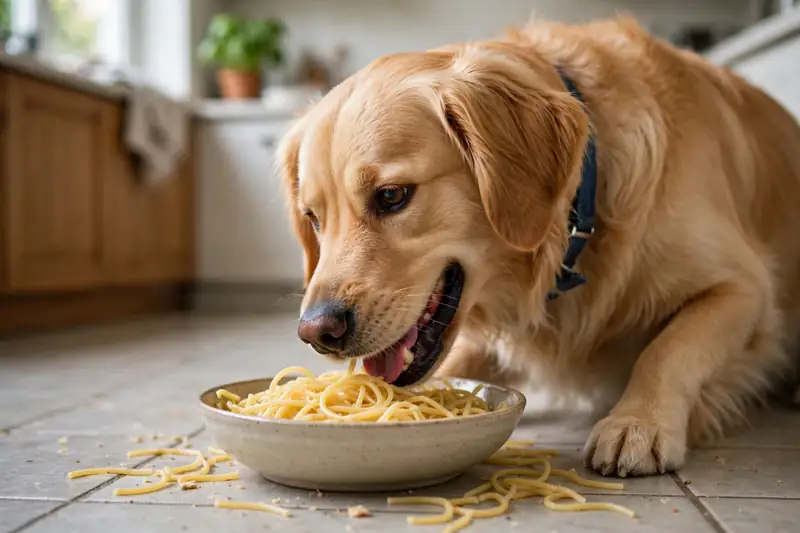
FAQ
Q: Can dogs eat plain pasta every day?
A: No. Plain pasta is safe occasionally but has almost no nutrition for dogs and adds calories. Daily pasta can lead to weight gain and an unbalanced diet.
Q: Can dogs eat spaghetti?
A: Yes, if it is plain, cooked, cooled, and cut short. Spaghetti with sauce is a different matter — most sauces contain garlic, onion, or fat that dogs should not have.
Q: Is whole wheat pasta better for dogs?
A: Slightly more fiber, but not meaningfully better. The same plain-only, small-portion rules apply to white, whole wheat, and gluten-free pasta.
Q: Can dogs eat pasta with butter?
A: No. Butter adds fat that can upset the stomach and, in larger amounts, trigger pancreatitis. Serve pasta completely plain.
Q: Can dogs eat raw pasta?
A: It is not toxic, but it is hard to digest and a choking risk, especially for dogs that gulp. Always cook pasta fully before offering any.
Q: My dog has a wheat allergy. Can they eat pasta?
A: No wheat pasta. Rice- or corn-based gluten-free pasta, served plain, may be an option — but ask your vet first if your dog has a diagnosed allergy.
Q: Is pasta or rice better for dogs?
A: Rice is usually the gentler choice — plain white rice is easy to digest and is often what vets suggest for upset stomachs. Plain pasta is fine occasionally, but it brings less nutrition and more empty calories, so rice wins for regular use and pasta stays a rare treat.
Q: What foods are toxic to dogs?
A: The ones to memorize are chocolate, grapes and raisins, onions, garlic, leeks and chives, xylitol (birch sugar), macadamia nuts, alcohol, and caffeine. If your dog eats any of these, call your vet or a poison helpline right away.
Q: Can dogs eat macaroni?
A: Plain cooked macaroni follows the same rules as any plain pasta — small amounts, no sauce, no butter. Macaroni cheese is a different story: the fat, salt, and dairy make it a poor choice for dogs.
Vet Disclaimer
This article is for general information only and is not a substitute for veterinary advice. Dogs with pancreatitis, wheat allergy, diabetes, weight problems, or other conditions need individual guidance. Talk to your veterinarian before adding pasta — or any people food — to your dog’s diet, and call your vet promptly if your dog eats pasta with garlic, onion, or a rich sauce.