

Quick answer: Yes, most healthy dogs can have a small amount of plain vanilla ice cream as an occasional treat, as long as they aren’t lactose intolerant and the ice cream contains no toxic ingredients like xylitol, chocolate, or macadamia nuts. It isn’t a healthy food, and it isn’t something to make a habit of, but of all the ice cream flavors out there, vanilla is generally the safest one to share.
Key Takeaways
Plain vanilla ice cream isn’t toxic to dogs in small amounts, but it isn’t good for them either.
Many adult dogs are lactose intolerant, which can cause gas, bloating, or diarrhea after eating dairy.
Sugar-free and “light” vanilla ice creams often contain xylitol, an artificial sweetener that’s extremely dangerous to dogs.
“Vanilla ice cream” isn’t one single product. French vanilla, soft serve, and sugar-free versions each carry different levels of risk.
A teaspoon or two, once in a while, is a reasonable limit for most healthy adult dogs. Frozen fruit or a dog-specific frozen treat is a better everyday option.
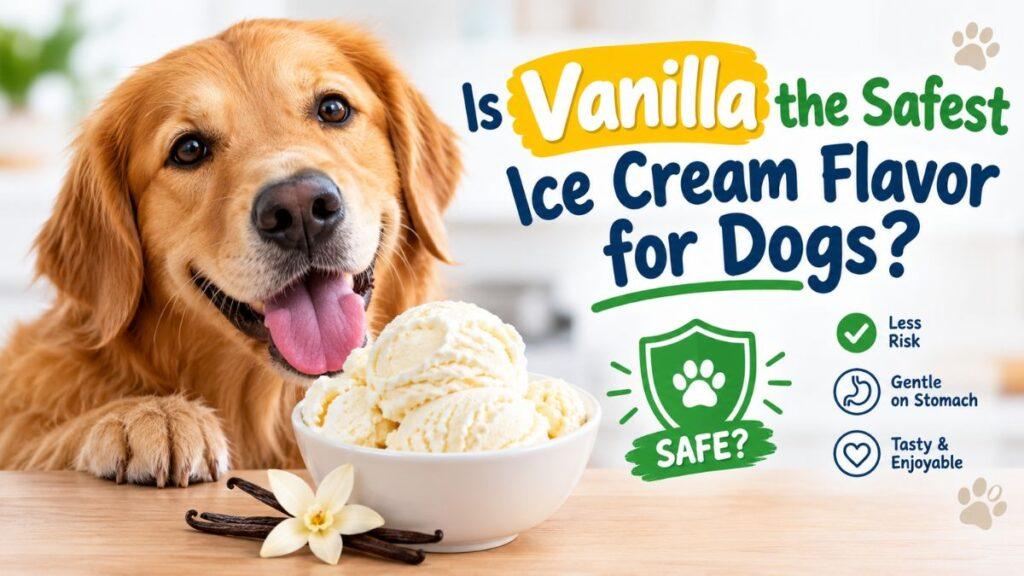
Is Vanilla the Safest Ice Cream Flavor for Dogs?
Not every ice cream flavor carries the same level of risk, and vanilla sits near the safe end of that spectrum. That’s not because vanilla is “good” for dogs, it’s because it lacks the ingredients that make other flavors genuinely dangerous, like cocoa, caffeine, or nuts.
| Flavor | Relative Risk | Why |
| Vanilla | Lowest | No chocolate, caffeine, or nuts — main concerns are just dairy and sugar |
| Strawberry | Low | Fruit-based, but still carries sugar and dairy |
| Peanut Butter | Low–Moderate | Fine if xylitol-free, but many peanut butters now contain it |
| Cookies & Cream / Cookie Dough | Moderate | May contain chocolate chunks or raw dough with raw egg |
| Mint Chocolate Chip | High | Contains chocolate |
| Coffee / Mocha | High | Caffeine, and often chocolate as well |
| Rum Raisin | Highest | Raisins are toxic to dogs, and it may contain alcohol |
Vanilla being the “safest” flavor doesn’t mean it’s actually safe, it means the two main risks with vanilla (dairy and sugar) are milder than the toxic ingredients hiding in darker, nuttier, or fruit-mixed flavors. A dog that eats a spoonful of vanilla is in a very different situation than one that eats a spoonful of chocolate-chip or rum raisin.
Not All Vanilla Ice Cream Is the Same
“Vanilla ice cream” is a category, not a single product, and the specific type in front of you changes the risk level.
Regular Vanilla Ice Cream
Standard supermarket vanilla is made from cream, milk, sugar, and vanilla flavoring. It’s the most predictable option, and in small amounts, it’s the least likely to cause anything beyond mild digestive upset.
French Vanilla
French vanilla is made with egg yolks, giving it a richer, custard-like base. Eggs themselves aren’t dangerous to dogs, but the extra fat content raises the risk of an upset stomach — and in dogs prone to it, this extra fat load can be a trigger for pancreatitis.
Vanilla Soft Serve
Soft serve has more air whipped into it, but it’s often just as sugar-dense as scooped ice cream, sometimes more so. This is the version most commonly handed out at fast-food drive-thrus as a free treat for dogs (more on that below).
Sugar-Free or “Light” Vanilla
This is the version to be most cautious about. Many sugar-free and low-calorie ice creams substitute sugar with xylitol, a sweetener that’s highly toxic to dogs even in tiny amounts. Never assume “sugar-free” or “diet” automatically means safer for a dog for ice cream, it often means the opposite.
Vanilla Frozen Yogurt
Frozen yogurt has a similar sugar load to ice cream, but its cultured dairy base means it contains somewhat less lactose. Some dogs tolerate it a little better, but it isn’t a meaningfully safer swap unless it’s plain, unsweetened, and free of fruit mix-ins.
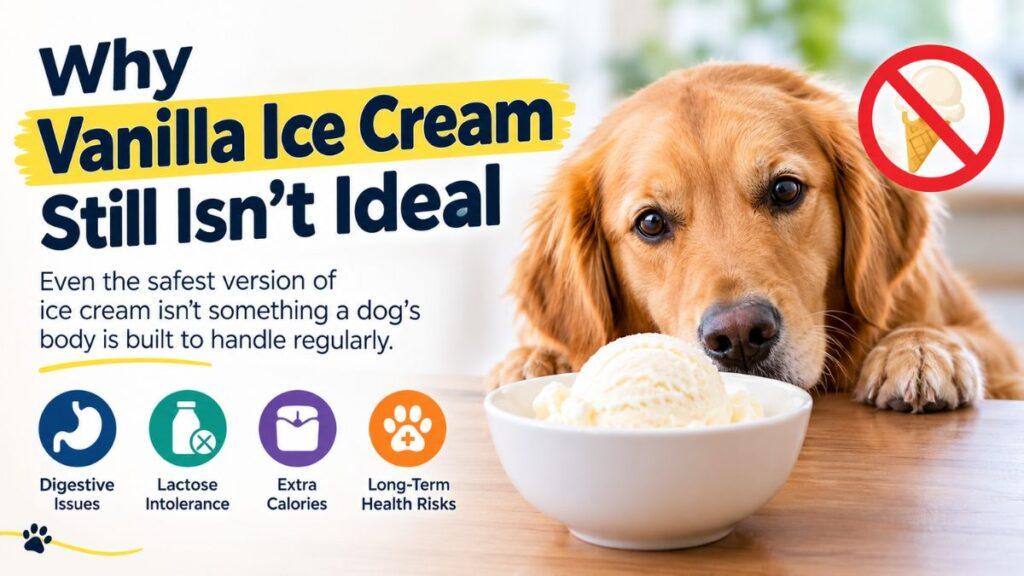
Why Vanilla Ice Cream Still Isn’t Ideal
Even the safest version of ice cream isn’t something a dog’s body is built to handle regularly.
Lactose
Puppies produce the enzyme needed to digest the sugar found in milk, but most dogs lose much of that ability as they mature into adulthood. When a lactose-intolerant dog eats dairy, the undigested lactose draws water into the intestines and ferments, leading to gas, bloating, or diarrhea, usually within a few hours.
Sugar and Fat
Ice cream is calorie-dense relative to a dog’s normal diet. Repeated sugar intake contributes to weight gain, dental problems, and can make diabetes management harder in dogs who already have it. The fat content is a separate concern: a sudden high-fat meal can trigger pancreatitis, a painful inflammation of the pancreas that sometimes requires emergency veterinary treatment, particularly in breeds already prone to it (such as Miniature Schnauzers and Yorkshire Terriers).
The Vanilla Extract Question
Here’s a detail most guides skip entirely: pure vanilla extract is roughly 35% alcohol by volume. Given that dogs shouldn’t have alcohol, it’s a fair question to ask whether the vanilla flavoring itself is a hidden risk. In commercial ice cream, the answer is generally no — the amount of extract used to flavor an entire batch is extremely small, and much of the alcohol evaporates during manufacturing and freezing. It’s a different story with homemade baking or recipes that call for a large amount of undiluted extract; that concentrated form is worth keeping away from your dog.
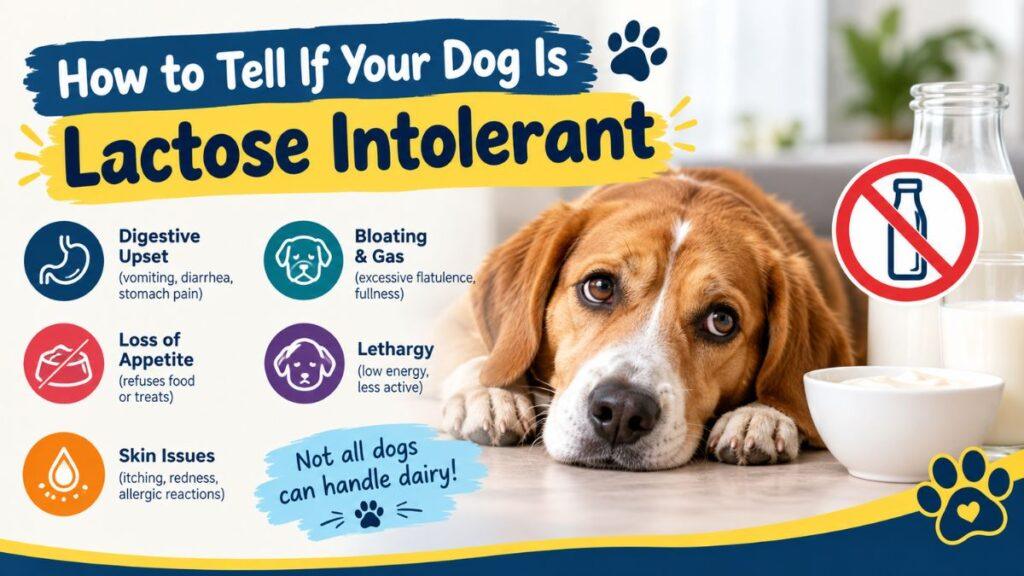
How to Tell If Your Dog Is Lactose Intolerant
You don’t need a vet visit to get a rough, practical answer. A simple, low-risk test can tell you a lot before you ever offer ice cream:
Offer a small spoonful of plain yogurt or plain milk about a teaspoon for a small dog, up to a tablespoon for a large one.
Wait 12 to 24 hours and watch for gas, bloating, loose stool, or vomiting.
If there’s no reaction, your dog can likely tolerate a small amount of dairy on occasion.
If symptoms show up, treat your dog as lactose intolerant going forward, and skip dairy-based treats of any kind, not just ice cream.
This test is a helpful starting point, not a medical diagnosis dogs with existing digestive conditions, food allergies, or a history of pancreatitis should be evaluated by a vet before any dietary experiments.
How Much Vanilla Ice Cream Is Safe?
There’s no single official number for this, but most vets frame treats using the “10% rule”: treats of any kind, combined, shouldn’t make up more than about 10% of a dog’s daily calorie intake. Applied loosely to vanilla ice cream, here’s a reasonable starting point by weight:
| Dog Weight | Occasional Amount |
| Under 10 lbs (small breeds) | 1 teaspoon |
| 10–25 lbs | 1–2 teaspoons |
| 25–50 lbs | 1 tablespoon |
| 50–90 lbs | 1–2 tablespoons |
| Over 90 lbs | 2–3 tablespoons |
These are starting points, not prescriptions. A dog managing diabetes, obesity, pancreatitis, or a chronically sensitive stomach should get less than this — or none at all — regardless of size. “Occasional” also matters as much as the amount: once every week or two is a very different habit than a nightly ritual.
Puppies, Seniors, and Pregnant Dogs
Puppies have immature digestive systems that are more easily upset by both dairy and sugar. Because a bad reaction can escalate to dehydration faster in a small, young body, it’s simplest to skip ice cream entirely until adulthood.
Senior dogs are more likely to be managing an underlying condition like diabetes, kidney disease, or a history of pancreatitis that makes sugar and fat a bigger gamble than they’d be for a healthy young adult. Check with your vet before offering any, even a small taste.
Pregnant or nursing dogs do need more calories than usual, but those calories should come from a balanced, complete diet rather than treats with little nutritional value. An occasional small taste is unlikely to cause harm, but ice cream isn’t the tool to reach for if you’re trying to help a pregnant dog gain weight or milk supply.
What About “Pup Cups”?
If you’ve driven through Dairy Queen, Culver’s, or Sonic with a dog in the car, you’ve probably been handed a free “pup cup” , a small cup of plain vanilla soft serve just for your dog. This is one of the most common real-world ways dogs actually encounter vanilla ice cream, and it’s worth addressing directly.
Most pup cups are plain, unsweetened, or lightly sweetened vanilla soft serve with no mix-ins, which puts them toward the lower-risk end of the spectrum discussed above. A few things are still worth knowing before you accept one:
If a topping is offered with whipped cream, a dog biscuit, or a drizzle of sauce, ask what’s in it before letting your dog eat the whole thing.
A pup cup is still ice cream. Treat it as an occasional road-trip novelty, not a stop you make every week.
If your dog is lactose intolerant, has a sensitive stomach, or is managing a health condition, it’s completely fine to politely decline, or ask for just a spoonful instead of the full cup.
Signs of Trouble and When to Call the Vet
Most healthy dogs who eat a small amount of plain vanilla ice cream will be completely fine. Still, it helps to know what to watch for:
Usually mild and short-lived: gas, softer stool than usual, or a single episode of vomiting. These typically resolve on their own within a day, with access to fresh water and a normal next meal.
Call your vet if you notice: repeated vomiting, diarrhea lasting more than 24 hours, lethargy, abdominal pain or a hunched posture, loss of appetite, or excessive thirst and urination.
Treat it as an emergency and call your vet or the ASPCA Animal Poison Control Center immediately if: the ice cream contains xylitol, chocolate, raisins, or macadamia nuts. Even a product labeled “vanilla” can contain these as mix-ins, in a sauce, or in a sugar-free base, so check the label or packaging if you’re unsure what your dog actually ate. Symptoms of xylitol poisoning (weakness, tremors, loss of coordination) can appear within 30 to 60 minutes, so don’t wait for symptoms to show up before calling.
A Dog-Safe Vanilla “Ice Cream” Recipe
If you’d like your dog to have something that tastes like the real thing without the dairy or sugar risk, this simple recipe is easy to make at home:
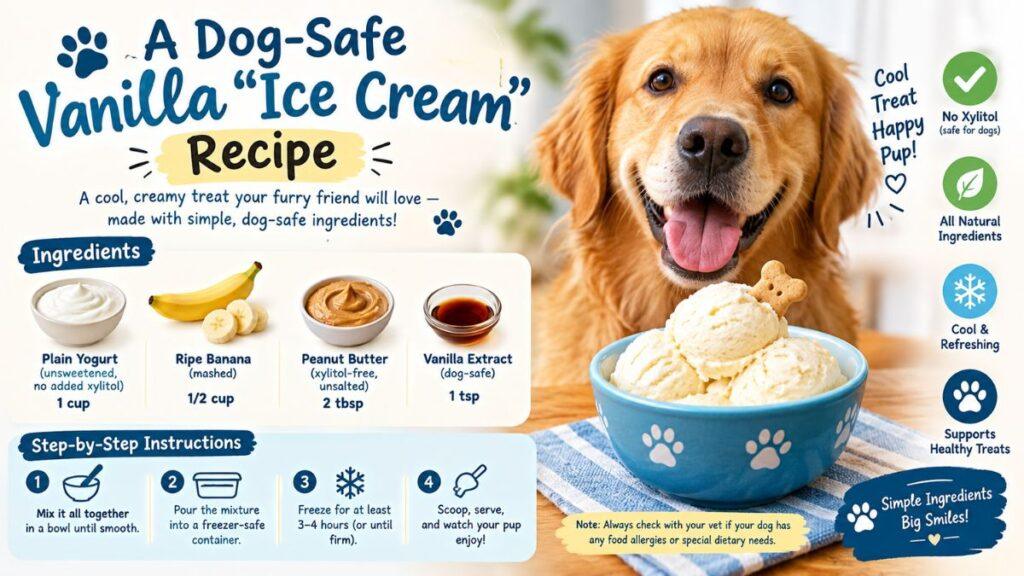
Ingredients:
1 cup plain, unsweetened coconut milk (or plain yogurt, if your dog tolerates dairy)
1 ripe banana
1/4 teaspoon pure vanilla extract
1 tablespoon honey (optional — skip this for dogs managing diabetes or weight)
Instructions:
Blend all the ingredients together until smooth.
Pour the mixture into an ice cube tray or small silicone mold.
Freeze for at least 4 hours, or until solid.
Serve one or two cubes as an occasional treat.
This recipe keeps well in the freezer for up to two weeks, so it’s an easy one to batch on a hot weekend.
Store-Bought Alternatives Worth Trying
If homemade isn’t your thing, several brands now make frozen treats designed specifically for dogs rather than repackaged human ice cream. Look for products that:
Are formulated specifically for pets, not marketed to humans with a “dog-friendly” label slapped on
List simple, recognizable ingredients (fruit, plain yogurt, peanut butter without xylitol)
Contain no chocolate, xylitol, or artificial sweeteners of any kind
Note a “best for occasional use” or feeding guideline on the packaging
Frozen dog treat brands like Frosty Paws and Pooch Creamery fall into this category, and many pet bakeries now sell single-ingredient frozen “pupsicles” as well.
A Final Note
This article is general information, not a substitute for veterinary advice. If your dog has a chronic health condition, is a puppy, or shows any concerning symptoms after eating something unusual, contact your veterinarian directly rather than relying on guidance found online.
FAQs
Can dogs have vanilla ice cream every day?
No. Even the safest version is high in sugar and fat relative to a dog’s normal diet. Keep it as an occasional treat rather than a daily habit.
Is vanilla ice cream toxic to dogs?
Plain vanilla ice cream isn’t toxic in small amounts. The real danger comes from added ingredients like xylitol, chocolate, or raisins, so always check what’s actually in the product before sharing.
Can puppies have vanilla ice cream?
It’s best avoided. A puppy’s digestive system is more sensitive to both dairy and sugar than an adult dog’s, and the risk of an upset stomach or dehydration is higher.
What should I do if my dog ate a whole bowl of vanilla ice cream?
Watch closely for vomiting, diarrhea, or lethargy over the next 24 hours, and call your vet if symptoms are severe or don’t improve. If the ice cream contained xylitol or chocolate, call your vet immediately rather than waiting to see if symptoms appear.
Is frozen yogurt better than ice cream for dogs?
It’s similar in sugar content, though the cultured base can be slightly easier on some dogs’ stomachs. Plain and unsweetened is the safer choice either way flavored or sweetened frozen yogurt offers no real advantage over ice cream.
Can dogs eat vanilla wafers or cones along with the ice cream?
No skip the cone. Waffle cones and wafers add extra sugar and offer no nutritional benefit, and some contain flavorings or coatings that aren’t dog-safe.