
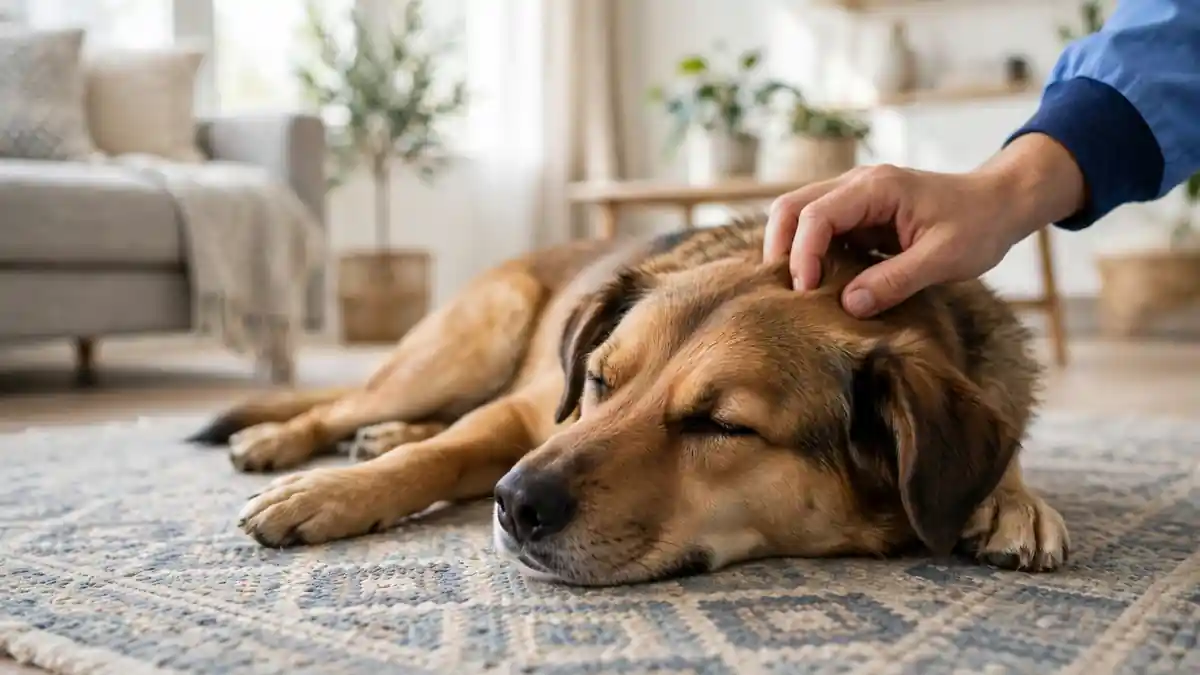
About 74,000 people in the United States search for “trazodone for dogs” every month, according to Semrush data from November 2026. Most want a clear yes or no, and the answer is yes for most healthy dogs, but only when a veterinarian prescribes it. The drug is a human antidepressant, and vets prescribe it to calm fear and anxiety.
This guide covers what the drug does, when vets reach for it, how it compares with gabapentin and fluoxetine, and which side effects need a vet call. The short answers after each heading give the quick version.
Can Dogs Take Trazodone?
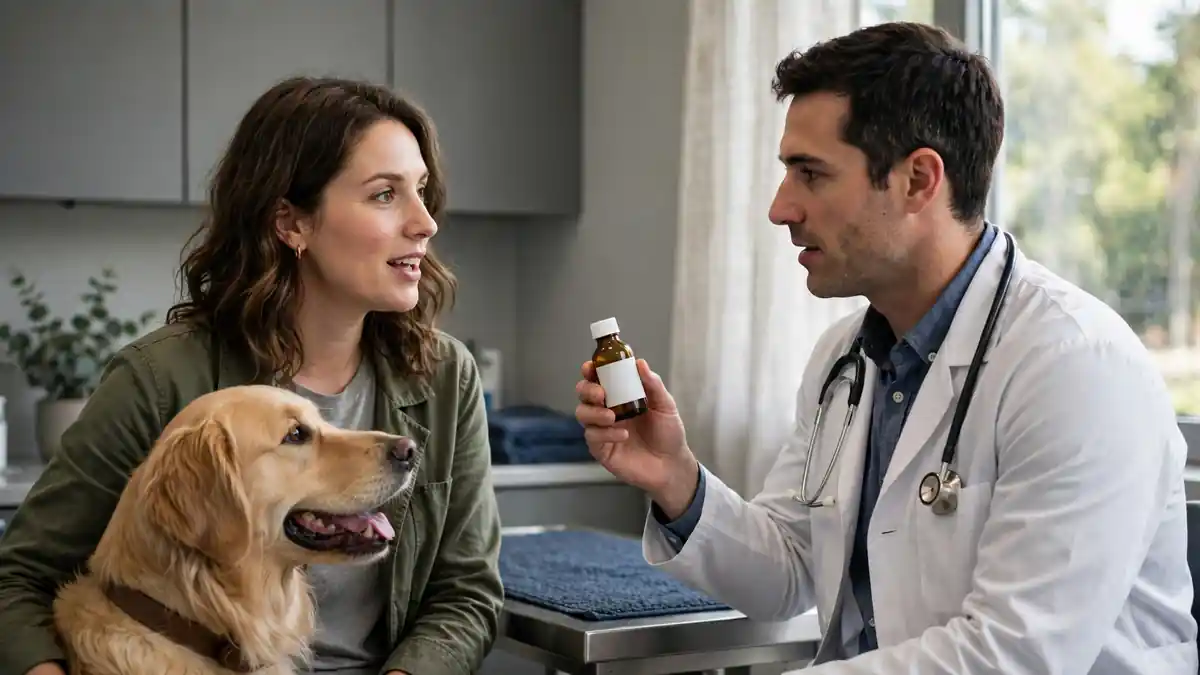
Yes, most healthy dogs can take trazodone, but only when a veterinarian prescribes it. Vets prescribe this human antidepressant off-label for dogs with anxiety or fear. Never use your own prescription or guess the amount, because the wrong use can cause serious harm.
A veterinarian decides. Trazodone is a prescription drug, and no owner should give it without that prescription. A vet checks the dog’s health, its medicines, and the problem at hand.
A human medicine cabinet is not a dog pharmacy. A common human painkiller such as Tylenol can harm a dog, and our guide to Tylenol explains why that danger is real.
Trazodone sits in the same category: safe for most dogs when a vet directs it, harmful when an owner guesses. The vet also sets the plan. Some dogs take it once before a single event; others take it every day for weeks. The choice depends on the dog, and the owner follows the vet’s directions, not the label on a human prescription.
What Is Trazodone, Exactly?
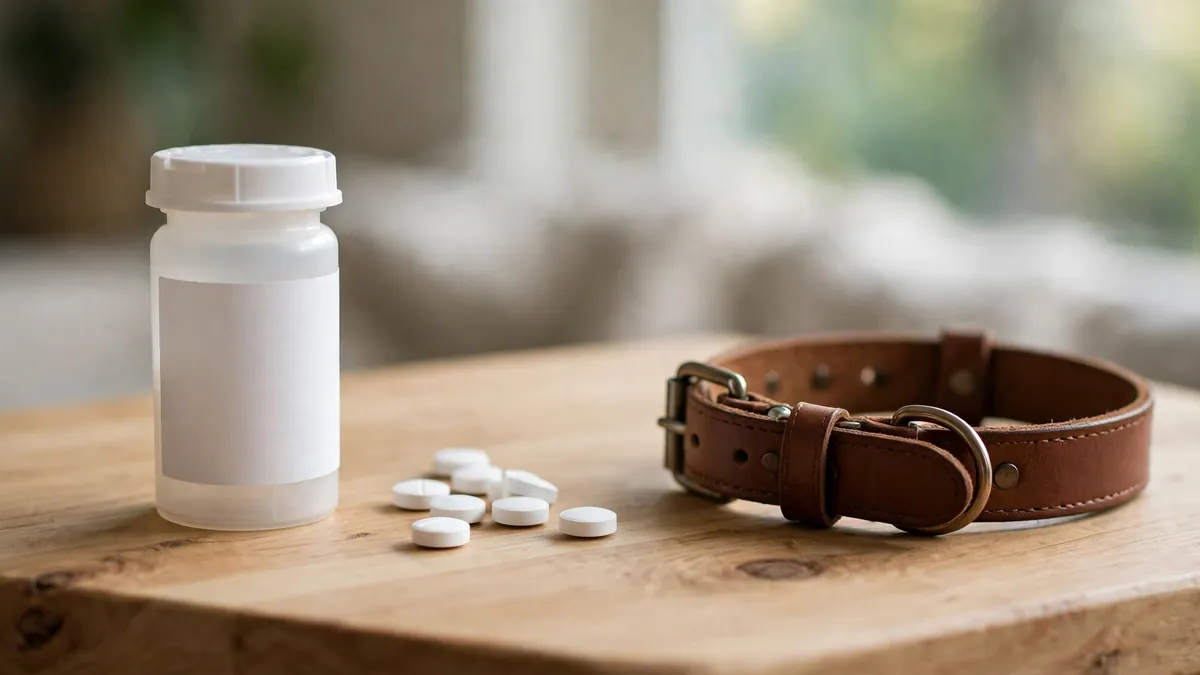
Trazodone is a prescription antidepressant for humans that vets use off-label for dogs. It raises serotonin in the brain, which helps calm fear and anxiety. The FDA approved it for human use, not for dogs, so a veterinarian must direct every part of its use.
Trazodone is a serotonin antagonist and reuptake inhibitor, or SARI. Vets know it as Desyrel and Oleptro. The drug raises serotonin in the brain, a chemical messenger that helps regulate mood and behavior, and that lift is what calms a fearful dog.
The FDA approved trazodone for human use, not for dogs, yet vets still prescribe it for dogs under off-label use, which lets them prescribe a human drug for an animal when the label does not cover that use. PetMD explains that vets can legally prescribe certain human drugs for animals, and owners must follow the vet’s directions with care.
The same rule covers other human products. Vets also use Neosporin off-label for small wounds. A vet usually prescribes trazodone as a tablet, taken by mouth with food or on an empty stomach.
If the dog vomits after a dose on an empty stomach, the vet may suggest food next time. For a single event, it starts working in about one to two hours and lasts eight to 12 hours. Taken every day, the full effect can take a few weeks.
What Trazodone Helps With

Trazodone helps dogs with fear and anxiety, especially around noise and separation. Vets also prescribe it after surgery, when a dog must rest in a crate. It calms the dog for the event. It does not fix the fear itself.
Vets reach for trazodone when fear or anxiety disrupts a dog’s life. Separation anxiety is the most common reason. A dog that panics when the owner leaves may pace, bark, chew, or soil the house, and trazodone can take the edge off that panic so the dog can learn calmer habits.
Fireworks and thunderstorms scare many dogs, and the drug can help a dog ride out the noise instead of shaking through it. After surgery, a dog that must rest in a crate can hurt itself by struggling. Trazodone helps the dog settle.
Some owners try gentler calming aids first, and catnip is one they ask about most. Trazodone is different. It is a prescription drug that calms the dog for the event, while training teaches the dog how to cope over time.
| Situation | Why vets prescribe it | How it helps |
|---|---|---|
| Separation anxiety | Panic when the owner leaves | Calms the dog so it rests alone |
| Fireworks and thunderstorms | Fear of loud noise | Eases fear during the noise |
| Vet visits and grooming | Fear of handling and strange places | Reduces fear before the visit |
| Travel | Stress on car rides and trips | Eases restlessness on the road |
| After surgery | The dog must rest in a crate | Helps the dog stay still while healing |
Trazodone vs Gabapentin and Fluoxetine

Trazodone works fast for single stressful events, while gabapentin and fluoxetine fill different roles. Gabapentin also treats pain and seizures, and sedation is its main side effect. Fluoxetine is a daily drug for long-term anxiety. Only a vet should choose the mix.
The three drugs look alike on a prescription list, but they do different jobs. Trazodone is the fast one. A vet gives it before a single event, and it starts working in about one to two hours.
Gabapentin is different. Vets prescribe it for chronic pain and seizures. It also helps dogs with anxiety. It is an anticonvulsant and a pain reliever, and sedation is its main side effect.
One warning matters. Some liquid gabapentin products contain xylitol, a sweetener that is toxic to dogs. PetMD’s gabapentin guide warns that liquid forms can carry it.
Reconcile (fluoxetine) is the third drug. It is an SSRI antidepressant, and vets sometimes pair it with trazodone. The pair needs care, because both drugs raise serotonin, and too much can cause serotonin syndrome. The table puts the three side by side.
| Drug | What it is | When vets use it | Main thing to watch |
|---|---|---|---|
| Trazodone | SARI antidepressant | Single stressful events, or daily for anxiety | Digestive upset is the most common side effect |
| Gabapentin | Anticonvulsant and pain reliever | Chronic pain and seizures, plus anxiety | Sedation and wobbliness; liquid forms can contain xylitol |
| Fluoxetine | SSRI antidepressant | Daily care for long-term anxiety, sometimes with trazodone | Combined with trazodone, it raises serotonin syndrome risk |
Side Effects to Watch For

The most common side effect is digestive upset, such as vomiting or diarrhea. Most dogs handle trazodone well, but some get sleepy, wobbly, or more anxious. Rare but serious signs, such as seizures, blindness, or trouble breathing, need emergency vet care right away.
Most dogs handle trazodone well. The biggest side effect is digestive upset. PetMD lists vomiting and diarrhea as the most common problems. VCA adds sedation and lethargy, plus wobbliness.
Some dogs get more anxious or aggressive, and a few develop a faster heart rate. These effects are less common. Call the vet rather than wait. VCA also lists rarer effects, such as a persistent painful erection in male dogs, an irregular heartbeat, and loss of coordination.
The serious risk is serotonin syndrome. It can happen when trazodone meets another drug that raises serotonin, such as an SSRI or tramadol. The signs include vomiting, diarrhea, seizures, high body temperature, dilated pupils, trouble breathing, and disorientation, and any of them needs emergency care at once.
Vomiting and diarrhea can also come from an infection, such as a cold, so the vet will want to rule out illness before blaming the drug. Trazodone can also make a dog groggy, so it may not suit a working or assistance dog that needs full awareness.
| Side effect | How often | What to do |
|---|---|---|
| Vomiting, diarrhea, nausea | Most common | Call the vet if it keeps happening |
| Sleepiness and wobbliness | Common | Keep the dog calm at home, and tell the vet |
| Serotonin syndrome signs | Rare but serious | Emergency vet care at once |
Dogs Who Should Skip Trazodone

Some dogs should never take trazodone, and others need extra care before the first dose. A health problem, a pregnancy, or another drug that raises serotonin can change the risk. The vet checks those factors before prescribing. Ask the vet about your dog’s medicines.
VCA names three groups that should not take trazodone at all. The first is dogs that react badly to the drug itself. The second is dogs taking MAO inhibitors, a class of drugs that also raises serotonin. The third is dogs with angle-closure glaucoma.
Other dogs need care, not a flat no, and dogs with severe heart disease or liver or kidney trouble fall in that group. The drug can act longer in those dogs, so the vet may watch them more closely.
Pregnant dogs need care too. Animal studies showed harm to the fetus at very high doses, so the vet weighs the risk against the benefit for each dog.
Dogs already taking drugs that raise serotonin need the same care. That group includes other antidepressants and tramadol. Tell the vet about all the dog’s medicines and supplements.
Puppies and senior dogs get no blanket rule; age changes how a dog handles a drug, so the vet judges each case on age and health.
| Dog group | Why care is needed | What to do |
|---|---|---|
| Allergy to trazodone, MAO inhibitors, or angle-closure glaucoma | Serious risk | Do not use |
| Liver or kidney disease | Acts longer | Vet watches closely |
| Severe heart disease | Heart strain | Vet weighs the risk |
| Pregnant dogs | Fetal harm possible | Vet weighs risk vs benefit |
| Dogs on other serotonin drugs | Serotonin syndrome risk | Tell the vet first |
| Puppies and senior dogs | Age changes drug action | Vet judges each case |
Missed Dose, Vomiting, and Overdose

A missed dose is usually easy to handle, but an extra dose or a suspected overdose needs a vet call right away. Give a missed dose when you remember it, unless the next dose is almost due. Never double up. Ask your vet first.
If you forget a dose, give it as soon as you remember, then go back to the normal schedule. If the next dose is almost due, skip the missed one and carry on.
Never give two doses at once. PetMD’s missed-dose guidance says the same, and it warns against extra or double doses.
Vomiting is the most common side effect, and it often passes on its own, but if the dog vomits on an empty stomach, the vet may suggest food with the next dose.
Plain white rice, plain cooked chicken, or plain pumpkin suits most dogs. Offer water often, or a little plain chicken broth with no onion or garlic.
A dog may gag or hiccup once right after swallowing a tablet. That single spasm is not the same as repeated vomiting. Call the vet if vomiting keeps happening.
An overdose needs emergency care. The signs include heavy sedation and low energy. The dog may also lose coordination or vomit.
A dog that took trazodone with another drug that raises serotonin faces a bigger risk. If you suspect an overdose, call the vet at once, or call an animal poison control center; do not wait to see if it passes.
Calming Without Medicine: Training and Alternatives

Training and a calm home can lower a dog’s fear without any drug. Trazodone calms the dog for the event, but it does not teach the dog to cope. Behavior work does that job, and the vet can build a plan around it.
A dog that fears noise needs a safe spot it can reach on its own, and an interior room with no windows works well, while a crate with a cover over it can feel safer still.
Background noise helps too. Music, a fan, or a noise machine can soften the sounds that scare the dog. PetMD’s noise-phobia guide lays out these steps. Set the room up while the dog is calm, not after fear has already started.
Then comes the training. The dog learns that a scary sound brings something good. Give a favorite treat or a toy each time the noise sounds.
Repeat it often, in short sessions, and keep the dog below the point of panic. A vet or a veterinary behaviorist can build a plan for the dog.
Trazodone still has its place. It takes the edge off so the dog can learn. But the drug alone does not fix the fear. The training does that.
Frequently Asked Questions
Yes, most questions about trazodone have short, plain answers. The drug works in one to two hours, lasts about eight to 12 hours, and suits most healthy dogs when a vet prescribes it. The six answers below cover the ones owners ask most.
How long does the sleepiness last?
The sleepiness usually lasts about eight to 12 hours, which is how long one dose works. The drug should stop working within 24 hours. If your dog stays groggy past a day, call your vet. PetMD’s trazodone guide gives the same timing.
Which is better, gabapentin or trazodone?
Neither drug is better on its own. Gabapentin treats pain and seizures as well as anxiety, while trazodone works fast for single stressful events.
Some dogs take both. Only the vet can choose the right mix for your dog.
How does trazodone make a dog feel?
Most dogs feel sleepy and calm, and a few feel wobbly on their feet, but the grogginess fades as the drug wears off. If your dog seems distressed rather than settled, call your vet.
Can my dog take trazodone every day for a long time?
Yes, vets prescribe trazodone for daily use, and the full effect can take a few weeks to show. The vet may check the dog from time to time. Never change the plan, skip days, or stop on your own. Ask the vet first.
Can puppies take trazodone?
The vet decides, case by case, because puppies are still growing and their bodies handle drugs differently from adult dogs. Tell the vet your puppy’s age and health, and follow the vet’s call.
What should I do if I miss a dose?
Give it as soon as you remember, unless the next dose is almost due. Then skip the missed dose and carry on as normal. Never give two doses at once.
The Bottom Line
Trazodone helps most healthy dogs through fear and anxiety, but only with a vet’s prescription and plan. It calms the dog for the event. It does not fix the fear. Training, routine, and vet guidance do the long-term work. Ask your vet first.
Related Guides
Can Dogs Have Tylenol?
Can Dogs Get Colds?
Can Dogs Eat Chicken?
Sources
PetMD: Trazodone for Dogs
PetMD: Gabapentin for Dogs
PetMD: Why Do Certain Sounds Scare Dogs?
VCA Animal Hospitals: Trazodone for Dogs and Cats
Disclaimer
This guide gives general information only. It does not replace advice from your own veterinarian. Trazodone is a prescription drug, so never give it to your dog without a vet’s prescription. If your dog shows worrying signs after a dose, call your vet at once.


