
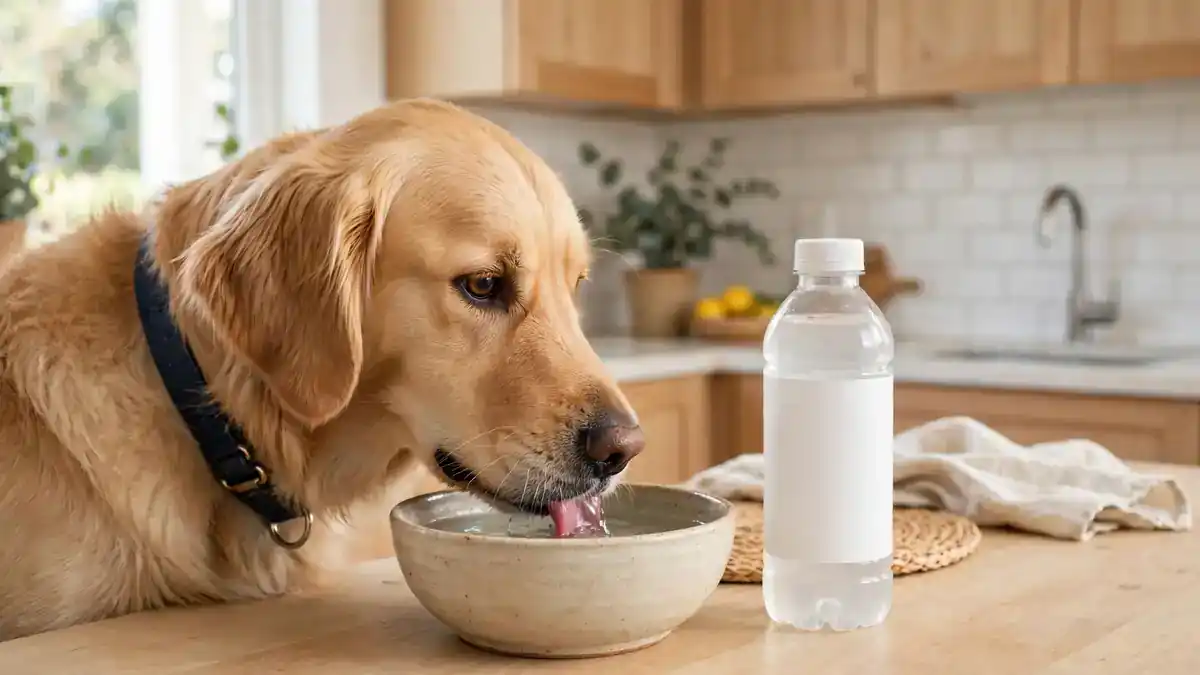
Pedialyte is a human children's formula. Abbott has sold it since the 1960s to replace fluids and salts lost through vomiting and diarrhea in children. No study has tested it on dogs, and no dog version exists. That gap sits at the center of the question can dogs have pedialyte, because the answer rests on vet judgment, not on trial data.
Vets split into two camps. One side says small amounts of the diluted unflavored drink can help a dog with a mild stomach upset. The other says water does the job better and Pedialyte adds risk without proof. Below, both sides get their say, with the label words that rule a bottle out and the safer steps to take while you wait for your vet.
Can Dogs Have Pedialyte?
Some dogs can have small amounts of diluted unflavored Pedialyte when a vet says it fits the situation, and water stays the better first choice for most dogs. Never offer a flavored variety, and call your vet before you offer any.

Start with water. A dog that drinks water and keeps it down has little reason to need an electrolyte drink, and most vets point to water first for a mild case. Pedialyte enters the picture only when a vet knows the dog and the cause, and sees a reason to replace lost salts as well as fluids.
Dogs pick up colds too, and a dog with colds that still drinks water needs no electrolyte drink. A dog that refuses water, vomits it back up, or shows signs of real dehydration needs a vet visit, not a home remedy.
Pedialyte fits a narrow group. It covers a dog with a mild, short bout of vomiting or diarrhea, with a vet who knows the case and an unflavored bottle mixed half water and half Pedialyte.
Outside that group, the answer shifts fast. Puppies and seniors face more risk, and so do dogs with health problems. The sections below name them one by one.
What Is Pedialyte?
Pedialyte is an oral electrolyte solution made for infants and children by Abbott, sold since the 1960s, and it replaces fluids and salts lost through vomiting and diarrhea. It was made for human bodies, and no version exists that was made for dogs.

Abbott makes Pedialyte for infants and children who lose fluids to vomiting and diarrhea. Since the 1960s, parents have reached for it when a sick child cannot keep fluids down. Its job is simple. It puts back water plus the salts the body loses.
The mix contains water and dextrose for energy and absorption, plus sodium, chloride, potassium, citrate. Abbott set the balance for a child's body, not a dog's. A dog loses little water through sweating, so the salts in a human drink can pile up instead of helping. GreatPetCare notes the sodium level runs higher than a dog needs, which is one more reason vets treat the drink with care.
| Ingredient | Role in the drink |
|---|---|
| Water | Replaces lost fluid |
| Dextrose | Adds energy, helps gut absorb salts |
| Sodium | Replaces lost salt |
| Chloride | Balances fluids with sodium |
| Potassium | Replaces lost potassium |
| Citrate | Steadies acid balance |
Is Pedialyte Safe for Dogs?
Small amounts of diluted unflavored Pedialyte are generally safe for many dogs when a vet approves it for a mild case. It can cause trouble for dogs with diabetes, heart disease, and kidney disease, so the dog and the reason matter.
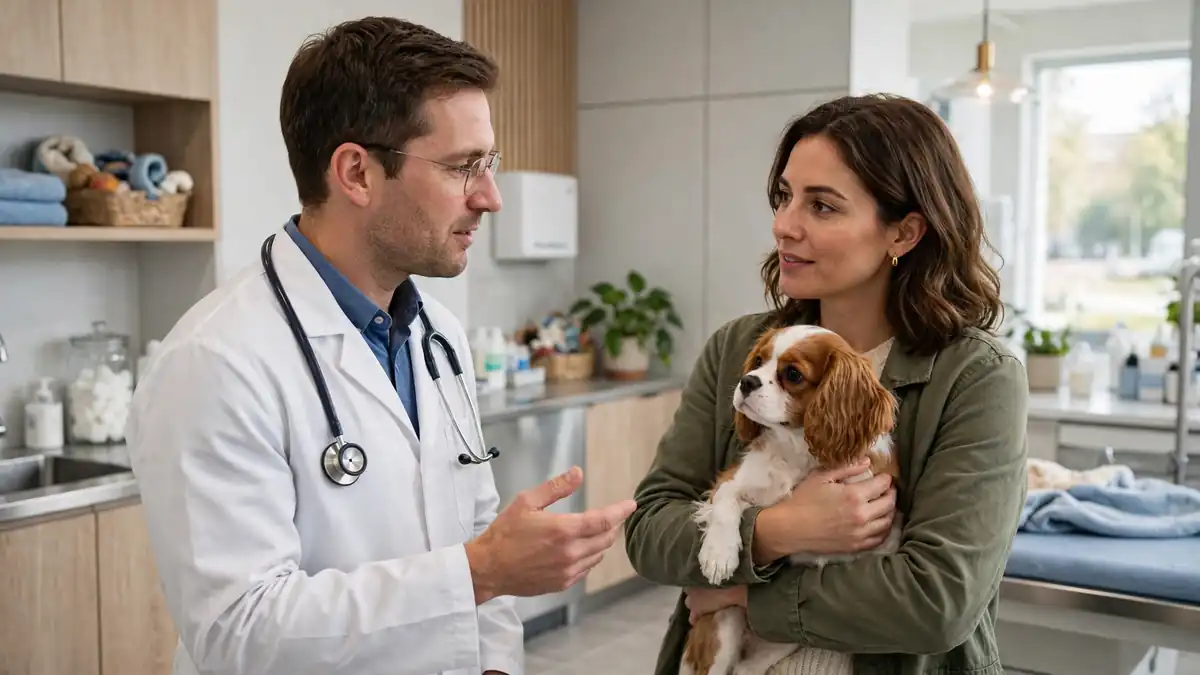
The AKC asked vet Dr. Amy Attas about the drink, and she said a vet may suggest it to replace electrolytes a dog loses through vomiting and diarrhea. Her conditions were strict.
Unflavored only, mixed half water and half Pedialyte, and only under vet guidance. Undiluted Pedialyte can bring on diarrhea from too much salt and sugar at once, which defeats the point of giving it.
Human medicines carry the same rule. Tylenol needs a vet's word before any dog gets it, and Pedialyte sits in the same group, a human product that a vet may borrow for a dog but never a home staple.
Risk climbs with the dog's health. Sugar can push blood glucose up in a diabetic dog, and salt can strain a heart or kidneys already working hard. A healthy adult dog with a mild, short stomach upset and a vet on the phone faces the lowest risk, and even then water often does the job.
The Vet Disagreement: Water vs Pedialyte
Vets disagree on Pedialyte for dogs and no study settles the question. Some vets say small diluted amounts help in mild cases with vet guidance, while other vets say water does the job better. Both sides agree on one point: call a vet first.

Two groups of vets look at the same bottle and reach different answers. ToeGrips vet Dr. Julie Buzby says small amounts of diluted unflavored Pedialyte are generally safe in some situations, though she ranks it far from a first choice.
GreatPetCare takes the same line. Small amounts of classic unflavored Pedialyte, short term, with a vet guiding the case. The AKC vet Dr. Amy Attas agrees, with the half water and half Pedialyte mix and a warning that the drink does not treat the cause.
Fetch vet Dr. Wendy Mandese takes the other side. Her Fetch guide, updated November 10, 2026, says Pedialyte is not really safe or useful for dogs. Abbott set the electrolytes for human bodies, and larger amounts could turn dangerous, above all for small animals.
Dogster lands between the two camps. Small quantities of unflavored Pedialyte are safe for most dogs, yet plain water or treating the cause is healthier.
One group sees a low risk and a possible gain. The other sees the same salts as a risk with no proof of gain, since no vet study has tested Pedialyte on dogs. Both sides agree a vet should make the call.
| Source | Position on Pedialyte for dogs |
|---|---|
| AKC, Dr. Amy Attas | Vet may suggest small diluted amounts |
| ToeGrips, Dr. Julie Buzby | Safe sometimes, far from a first choice |
| GreatPetCare | Small amounts, short term, vet guided |
| Fetch, Dr. Wendy Mandese | Not really safe, water is better |
| Dogster | Safe for most dogs, water is healthier |
Unflavored Only: The Label Check
Only unflavored Pedialyte belongs in the conversation and the label decides. Flavored varieties can contain xylitol, a sweetener toxic to dogs, and sucralose, which vets warn against for dogs. Read the ingredient list first, and skip any bottle with a sweetener on it.

Pedialyte comes in flavors like grape and strawberry, and those versions can carry sweeteners a dog should never taste. Xylitol sits at the top of the list. It is toxic to dogs, and even a small taste can set off a fast drop in blood sugar.
Sucralose brings a different warning. The AKC vet says it is not safe for dogs, so a bottle with sucralose goes back on the shelf. Unflavored Pedialyte dodges both risks, which is why every vet source here names it as the only version worth talking about.
Read the ingredient list before you buy. Brands change formulas, so a bottle from last year may not match the one on the shelf today. When the label lists a sweetener you do not know, skip the bottle and call your vet.
| Label word | What it means for a dog | Verdict |
|---|---|---|
| Xylitol | Toxic, drops blood sugar fast | Never buy |
| Sucralose | Sweetener vets warn against | Never buy |
| Dextrose | Sugar in classic Pedialyte | Vet decides |
| Unflavored | No added flavor | Only version to consider |
When Pedialyte Might Help
Pedialyte might help a dog with a mild bout of vomiting or diarrhea when the vet knows the cause and the dog can keep fluids down. It replaces lost fluids and salts, and it does not treat the cause or stop the fluid loss.

A dog vomited once or had a loose stool, then settled and still drinks water. A vet who knows that dog may say a little diluted unflavored Pedialyte can replace some lost salts. The key words are mild and short, with vet approval.
It works as support only. It does not stop the fluid loss or cure the disease behind it. GreatPetCare puts it plainly. Pedialyte is supportive therapy only, not a cure.
The line stops at parvo. Pedialyte is not a cure for parvo. A puppy with parvo needs a vet fast.
It also stops at a dog that cannot keep food or fluids down, a dog with a suspected blockage, or a dog that shows severe dehydration. Whole Dog Journal draws the same line. When a dog cannot keep food or fluids down, or the signs drag past a single bout, call the vet instead.
While you wait, keep the dog calm and offer small sips of water. Watch whether the vomiting or diarrhea eases or worsens.
Dogs Who Should Skip Pedialyte
Dogs with diabetes, heart disease, and kidney disease should skip Pedialyte unless their own vet says otherwise, and puppies with parvo should never get it at home. The sugar can raise blood glucose, and the salt load can strain a heart and kidneys.

Some dogs should not get Pedialyte at all, and the list starts with the three health problems every vet source names. Diabetes comes first, since the sugar can push blood glucose up and a diabetic dog has no room for that swing. Heart disease comes next. The salt load can strain a heart that already works hard, and the extra fluid can add to the strain.
Kidney disease closes the trio. Kidneys filter salts out of the blood, and weak kidneys handle a salt load badly.
Fetch vet Dr. Wendy Mandese names all three groups, and ToeGrips vet Dr. Julie Buzby agrees.
Puppies with parvo sit apart. Parvo strips fluids fast, and a puppy with parvo needs vet fluids, not a bottle from a store shelf.
Seniors deserve a vet call first too, since an older dog often carries a heart or kidney problem that no one has spotted yet. When your dog falls into any of these groups, skip the bottle.
| Dog group | Why Pedialyte can hurt | What to do |
|---|---|---|
| Diabetic dogs | Sugar can raise blood glucose | Call the vet first |
| Dogs with heart disease | Salt load can strain a weak heart | Call the vet first |
| Dogs with kidney disease | Weak kidneys handle salt badly | Call the vet first |
| Puppies with parvo | Parvo strips fluids fast | Vet visit now |
| Seniors | Hidden heart or kidney trouble | Vet check first |
What to Give Instead
Fresh water is the best first offer for most dogs, and vet fluids beat Pedialyte for a dog that is dehydrated. Offer small sips of water often, keep the dog calm and cool, and let the vet decide what the dog needs next.
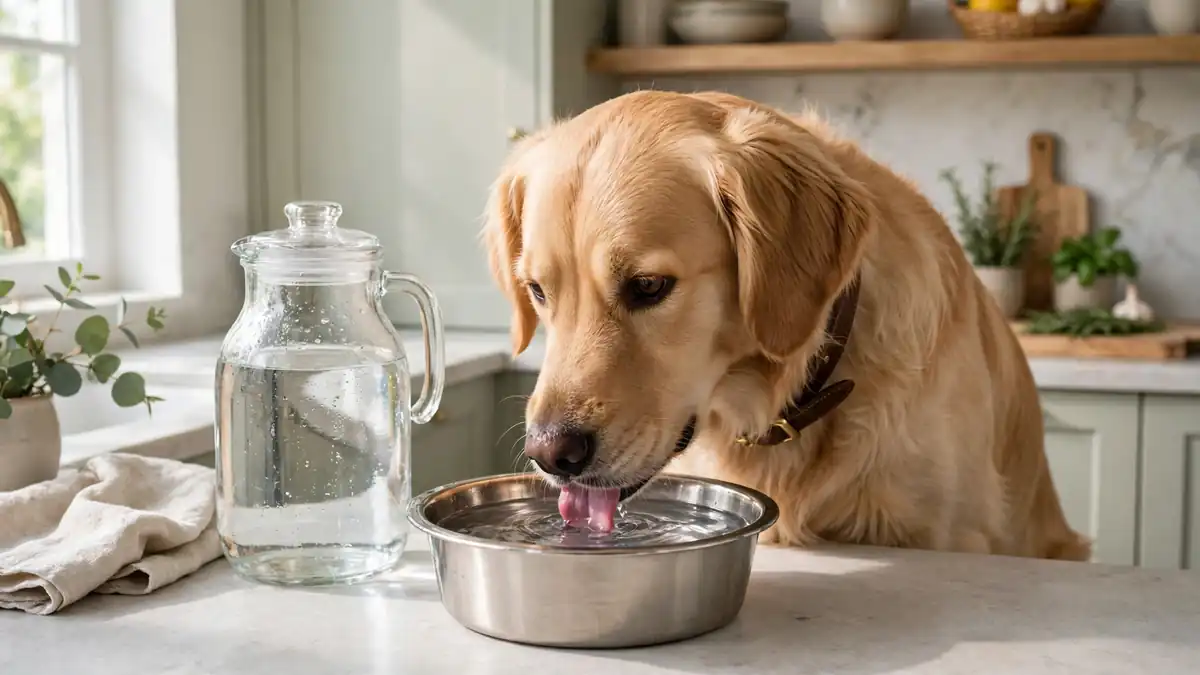
Water wins for most dogs. It replaces lost fluid without adding sugar or salt. Offer small sips often instead of a full bowl at once. Keep the bowl fresh and clean.
A dog that sips and keeps the water down is already on the right track.
Watch for dry gums and a dull mood while you wait. Skin that stays tented after a gentle lift points the same way.
Food can wait until the stomach settles. Plain bland food suits a queasy dog best then. Boiled chicken with the skin off gives gentle protein, and brown rice adds a soft base that sits easy. Quinoa works as another soft base once the vet says food is fine again.
Rich foods stay off the menu while the stomach recovers, and sour cream belongs in that group for now. A few bites of melon add a little water, though they never replace a drink. The ladder below puts the choices in order. A dog that cannot keep water down, grows limp, or shows dry gums needs the top rung, not the bottom one.
| Step | When it fits | What it does |
|---|---|---|
| Fresh water | Dog drinks and keeps it down | Replaces fluid, no added sugar or salt |
| Diluted unflavored Pedialyte | Vet approves a mild case | Replaces some lost salts and fluid |
| Vet fluids | Dog cannot keep fluids down or shows severe dehydration | Replaces fluids fast under vet care |
Frequently Asked Questions
The questions below cover the points dog owners ask about most, from puppies and amounts to flavors and vet visits. Each answer keeps the same rule: no home dosing, and the dog's own vet decides what fits. Read the one that matches your dog.
How much Pedialyte can I give my dog?
Only your dog's own vet can say. The answer changes with the dog's size and health and with the cause. No fixed amount fits every dog, so this article gives no figure at all.
Call your vet, describe the signs, and follow the amount your vet gives for your dog alone. Never guess, and never reuse an amount meant for another dog.
Can puppies have Pedialyte?
A puppy needs a vet call first, because small bodies lose fluids fast and the salt and sugar hit harder. A vet may approve a small amount for a mild case in a healthy puppy. A puppy with parvo must never get it at home, since parvo needs vet fluids and care right away.
Can dogs drink Pedialyte every day?
Pedialyte is not a daily drink, and a dog that needs electrolytes every day has a health problem that needs a vet diagnosis, not a bottle from the store. Fresh water stays the daily drink, and the vet decides if anything else belongs in the bowl.
What flavors of Pedialyte are safe for dogs?
No flavored version is safe to assume, and unflavored is the only version vets discuss. Flavored Pedialyte can contain xylitol, which is toxic to dogs, or sucralose, which vets warn against. Read the label on every bottle, and put back any flavor but unflavored.
Can I give my dog Pedialyte popsicles?
The same rules cover the frozen form. Only unflavored Pedialyte pops belong in the conversation. They need your vet's approval, and they fit only a mild case in a dog that can keep fluids down.
Flavored pops carry the same sweetener risks as the drink, so read the label first. Water and ice chips often do the job with less risk. Your vet can say which fits your dog.
When should I take my dog to the vet instead of giving Pedialyte?
Go to the vet when your dog cannot keep water or food down, shows dry gums and deep lethargy, or has signs that drag past a single bout. Go at once for a puppy with parvo signs, a dog with diabetes or heart or kidney disease, or a dog that grows limp and dull. These signs point to a cause that a bottle cannot fix, and vet fluids and tests move faster than any home step.
The Bottom Line
Check the label for unflavored Pedialyte before you offer any, and call your vet first. Water stays the safer first step for most dogs, and a dog that cannot keep fluids down needs a vet, not a bottle from the store. Your vet decides.
Check the label first, then make the call. Buy unflavored only. Leave the bottle shut until your vet says it fits your dog. Offer small sips of water while you wait, and watch whether your dog keeps them down.
When the vomiting or diarrhea eases and the dog drinks on its own, water has done the job. When it does not ease, or your dog cannot keep fluids down, the vet visit comes first and the bottle stays shut.
Sources
- AKC: Pedialyte for Dogs
- ToeGrips: Pedialyte for Dogs
- GreatPetCare: Can Dogs Drink Pedialyte?
- Fetch: Pedialyte for Dogs
- Dogster: Pedialyte for Dogs
- Whole Dog Journal: Pedialyte for Dogs
Disclaimer
This article shares general information from vet sources. It does not replace advice from your dog's own vet. Pedialyte is a human product with no studies on dogs, so ask your vet before you offer it, and seek vet care at once when your dog cannot keep fluids down or shows signs of severe dehydration.


