
If you’ve been sprinkling chia seeds into your morning smoothie and wondering whether your dog can share in the goodness, you’re not alone. Chia seeds have earned superfood status in human nutrition, and curious dog owners naturally ask the same question. The short answer is yes dogs can safely eat chia seeds in moderation. But there’s more to the story than a simple thumbs-up. How you prepare them, how much you give, and whether your specific dog should have them at all matters enormously. This guide covers everything you need to make a confident, informed decision.
What Are Chia Seeds and Why Do Dog Owners Care About Them?
Chia seeds come from Salvia hispanica, a flowering plant in the mint family native to Southern Mexico and Central America. These tiny seeds were a major food crop for the Aztec warriors and ancient Mayans, who believed they provided long-lasting energy and endurance.

In modern pet nutrition, chia seeds have attracted attention because of their impressive nutrient density. They are a compact source of omega-3 fatty acids, soluble fiber, plant-based protein, calcium, and antioxidants all in a flavorless, odorless package that’s easy to add to a dog’s existing food.
Chia seeds became popular in human nutrition years ago, but their value goes beyond social media trends. For dogs, these tiny seeds may provide supportive nutrients that fit well into balanced diets.
That said, “superfood” marketing shouldn’t substitute for understanding how these nutrients actually work in a dog’s body because chia seeds have some important biological nuances that most sources don’t fully explain.
The Nutritional Profile of Chia Seeds for Dogs
Before deciding whether chia seeds belong in your dog’s bowl, it helps to understand what they actually contain and why those nutrients matter for canine health.
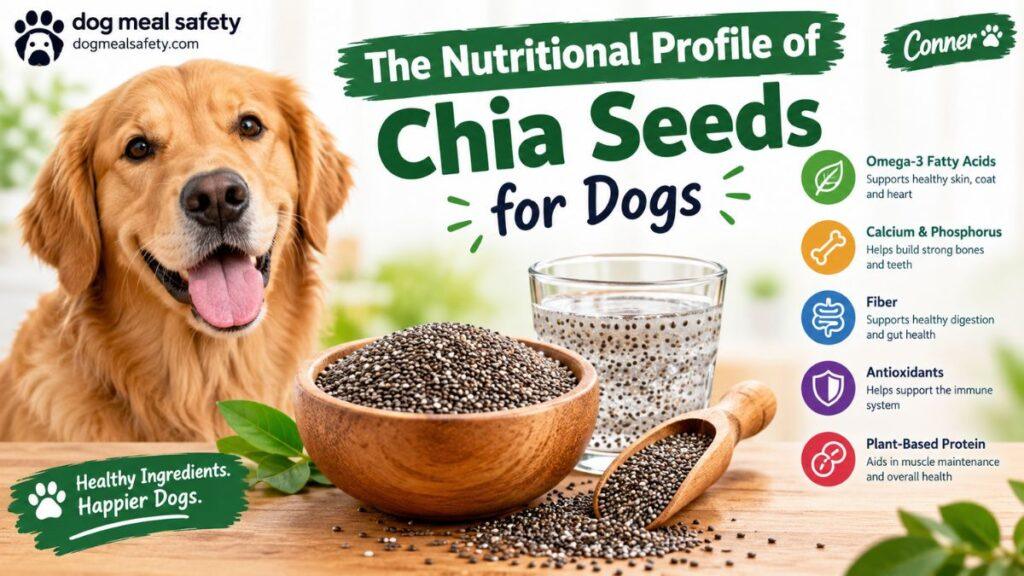
Omega-3 fatty acids (ALA): Chia seeds are rich in alpha-linolenic acid (ALA), a plant-based omega-3 fat. Chia is well known as a source of omega-3 fatty acids and is said to have three times the amount of omega-3 fatty acids as salmon. However, there is a critical limitation that many pet nutrition articles overlook entirely: dogs don’t convert ALA into the biologically active forms of omega-3s EPA and DHA as efficiently as humans do. Studies show conversion rates in canines are below 5%, meaning most ALA passes through undigested or is metabolized for energy rather than anti-inflammatory benefit.
This doesn’t make chia seeds worthless for omega-3 support, but it does mean they should not be treated as a replacement for marine-sourced omega-3 supplements. Chia seeds should not replace veterinary treatment or a supplement recommended by your veterinary surgeon.
Fiber: Chia seeds contain 34 grams of fiber per 100 grams, and with 12 times their weight in water absorption, they help dogs feel fuller for longer, keeping them satisfied and helping to prevent overeating and obesity.
Antioxidants: Chia seeds contain quercetin and kaempferol. Consistent intake of chia’s antioxidant profile may reduce oxidative stress linked to allergic dermatitis and dry, flaky skin though it’s a supportive layer rather than a cure, and success depends on baseline diet quality.
Minerals: The presence of minerals like calcium and phosphorus contribute to stronger bones and teeth in dogs.
Plant protein: Chia seeds are a source of plant-based protein, which is important for muscle growth and repair in dogs. They should not, however, be treated as a primary protein source meat remains essential.
| Nutrient | Benefit for Dogs | Important Note |
| Omega-3 (ALA) | Supports skin, coat, and inflammation | Low conversion to active EPA/DHA in dogs |
| Soluble Fiber | Aids digestion, promotes fullness | Too much causes gas or loose stools |
| Antioxidants | Immune and cell protection | Supportive, not therapeutic |
| Calcium & Phosphorus | Bone and dental health | Balanced by overall diet |
| Plant Protein | Muscle maintenance | Supplement only not a primary source |
Health Benefits Dogs May Experience From Chia Seeds
When fed correctly and in appropriate amounts, chia seeds can offer several practical health benefits for dogs.
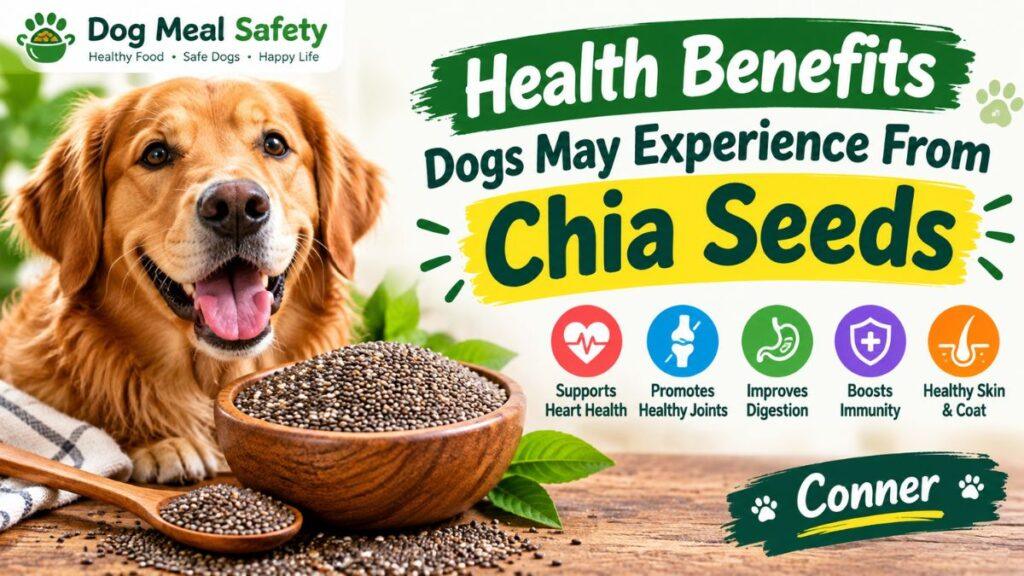
Digestive support: The soluble fiber in chia seeds absorbs water and forms a gel in the digestive tract. Fiber plays an important role in regulating digestion and reducing constipation. If fed dry, chia seeds can actually help stop diarrhea because they will absorb the extra fluid in the digestive tract.
Skin and coat health: Even with limited ALA conversion, the omega-3 fatty acids in chia seeds offer some benefit to skin and coat condition. Chia seeds provide comparable amounts of omega-3s as fish oil in terms of raw content, making them useful for dogs with dry skin and inflammation. Results will be more modest than with marine-sourced omega-3s.
Weight management: The high fiber content means chia seeds soak up water and form a gel in your pup’s stomach, helping them feel fuller for longer and helping to prevent overeating and obesity.
Blood sugar regulation: Chia seeds can help regulate blood sugar levels by slowing the conversion of carbs into sugar, which could be beneficial for diabetic or pre-diabetic dogs. However, diabetic dogs on insulin require careful monitoring of any food that alters glucose absorption timing and can affect insulin dosing schedules, so veterinary guidance is essential before introducing chia seeds to a diabetic dog.
Cognitive and joint support: Chia seeds are an excellent source of omega-3 fatty acids, which can support healthy brain development in puppies and prevent brain disorders like canine cognitive dysfunction in older dogs. Dogs suffering from arthritis or other joint conditions might find some relief as omega-3 fatty acids help reduce inflammation.
The Real Risks of Chia Seeds for Dogs (and What Most Articles Miss)
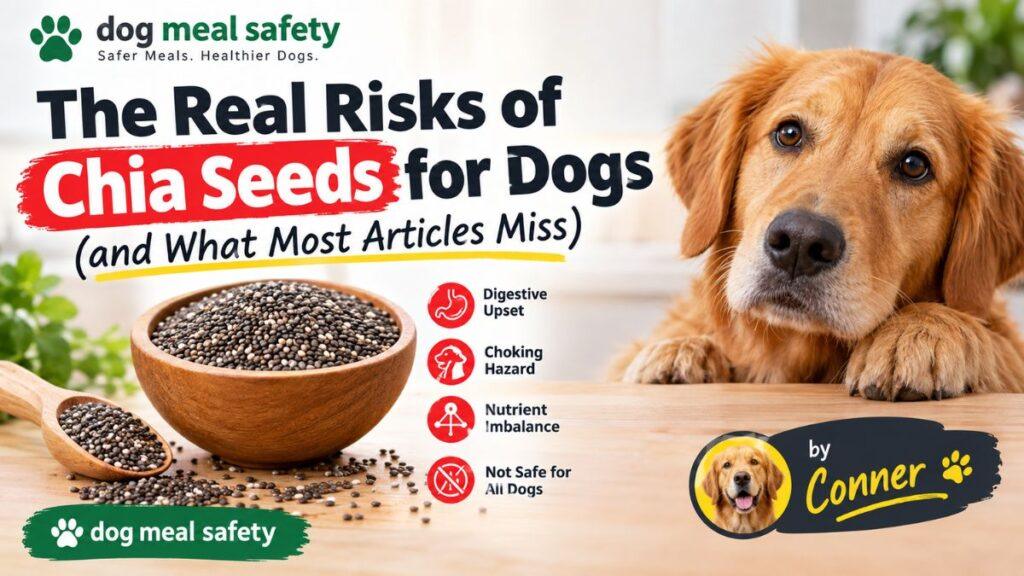
Chia seeds are not toxic to dogs, but they do carry risks that require serious attention. Several of these risks are either underexplained or missing entirely from most pet nutrition content.
The expansion problem why dry chia seeds are dangerous:
The most critical thing to understand about chia seeds is their incredible ability to absorb liquid. When placed in water, they don’t just get damp, they soak up an astonishing amount of liquid, up to 12 times their own weight. If served dry, they’ll start absorbing fluid and expanding inside your dog’s digestive tract, which can be dangerous.
Dry chia seeds can soak up over ten times their weight in water, and serving them to your dog carries the risk of excess water absorption in the intestines, possibly triggering a partial or complete blockage. This is not a minor concern intestinal blockage is a serious medical emergency.
Digestive upset from overfeeding:
Too many chia seeds, especially introduced too quickly, will overwhelm a dog’s digestive system. Overfeeding can cause digestive upset, including diarrhea or bloating. Gas, cramping, and loose stools are common early signs that the amount needs to be reduced.
Pancreatitis risk:
While the healthy fats in chia seeds are a bonus for most dogs, dogs with a history of pancreatitis are incredibly sensitive to high-fat foods. Even though chia seeds contain “healthy” fats, their fat content can still trigger pancreatitis flares in susceptible dogs. If your dog has ever been diagnosed with pancreatitis, consult your veterinarian before introducing chia seeds.
Allergies:
If your dog has never had chia seeds before, start with a tiny amount and watch for any signs of an allergic reaction, such as itching, vomiting, or diarrhea. If you notice any negative reactions, discontinue use and consult your vet before reintroducing them.
The ALA limitation managing expectations:
As noted above, dogs convert ALA into active omega-3 forms (EPA and DHA) at a rate below 5%. Chia seeds can be a nutritious addition to your dog’s diet for fiber, antioxidants, and minerals, but you should not rely on them as a sole source of omega-3 fatty acids. If your dog’s primary need is anti-inflammatory omega-3 support for joints or skin, a veterinarian-recommended marine-sourced supplement will be significantly more effective.
How to Prepare Chia Seeds for Dogs The Right Way
Preparation is not optional, it is a safety requirement. The golden rule is simple and non-negotiable: always soak chia seeds first. This isn’t just a friendly tip, it’s a critical safety precaution.
Step-by-step preparation:
- Use plain organic chia seeds. Purchase organic chia seeds that do not contain harmful additives like chemicals, pesticides, or artificial flavoring. Never use flavored chia products, chia seed pudding mixes with added sweeteners, or anything containing xylitol, chocolate, or dairy.
- Soak before serving. Soak seeds in 9 parts water to 1 part seed for at least 15 minutes or overnight to form a gel. The seeds should visibly swell before serving.
- Mix into regular food. Stir the soaked seeds into your dog’s existing wet or dry food. They are odorless and tasteless, so most dogs accept them without resistance.
- Ensure fresh water is available. Even with soaked chia seeds, always provide fresh water alongside the meal.
What not to do:
- Never sprinkle dry seeds directly onto kibble without soaking first
- Never use chia seed pudding made with sweeteners, dairy, or flavoring agents
- Never give chia seeds to dogs as a standalone snack in large quantities
How Much Chia Seeds Can You Give a Dog? Dosage by Size
Dosage matters just as much as preparation. A general guideline is ¼ teaspoon for every 10 pounds of body weight per day but talk to your vet to find out the optimal dosage for your dog.
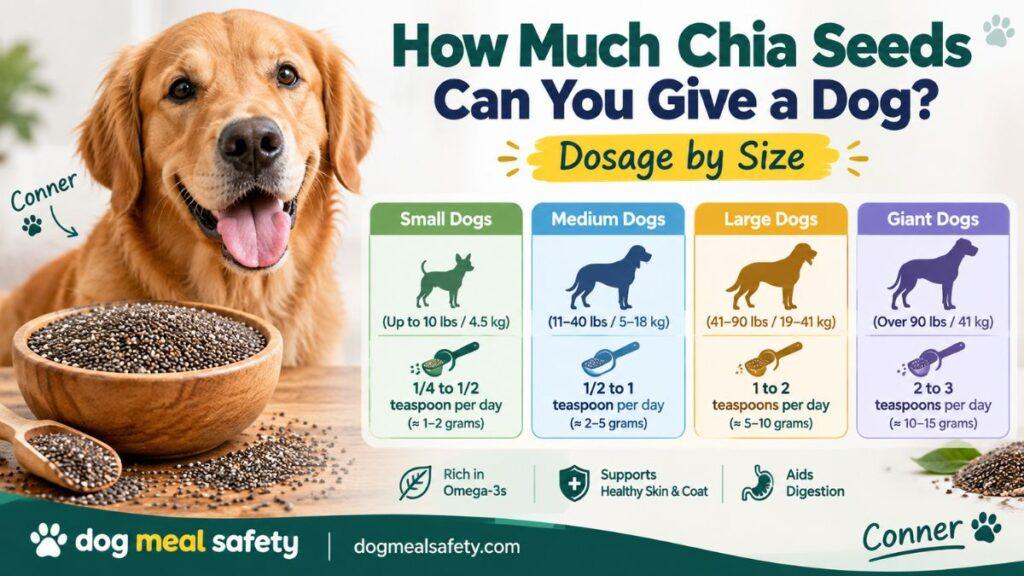
Here is a practical reference chart:
| Dog Size | Body Weight | Suggested Daily Amount |
| Extra Small | Under 10 lbs | ⅛ teaspoon (start with a pinch) |
| Small | 10–20 lbs | ¼ teaspoon |
| Medium | 20–40 lbs | ½ teaspoon |
| Large | 40–70 lbs | ¾ – 1 teaspoon |
| Extra Large | 70+ lbs | 1 – 1½ teaspoons |
Always start below the suggested amount when introducing chia seeds for the first time, regardless of dog size. Increase gradually over 1–2 weeks while monitoring for digestive changes.
Chia seeds are safe for daily use just stick to the recommended dose. There is no need to cycle them on and off, provided your dog tolerates them well and the amounts remain appropriate.
Which Dogs Should Avoid Chia Seeds or Need Extra Care
While chia seeds are safe for most healthy adult dogs, certain dogs require caution or should avoid them altogether.
Dogs who should skip chia seeds or only use them under direct veterinary supervision:
- Dogs with pancreatitis (past or current). The fat content, even from plant-based sources, can be enough to trigger a flare. The risk is not worth it without explicit vet approval.
- Diabetic dogs on insulin. Though chia seeds are low-glycemic, their fiber can unpredictably alter glucose absorption timing interfering with insulin dosing schedules. Diabetic dogs need tightly controlled diets, and any addition should be approved by your vet.
- Dogs with a history of intestinal blockages or motility disorders. The gel-forming expansion of chia seeds poses an elevated risk for dogs whose digestive systems already struggle with movement and flow.
- Overweight dogs with high-fat sensitivity. Despite being “healthy” fats, the fat content in chia seeds adds calories and may not be suitable for dogs on strict weight-loss programs without accounting for the addition.
Dogs who may benefit most:
- Senior dogs with early cognitive changes
- Dogs with dull or dry coats
- Dogs with mild constipation or inconsistent digestion
- Active adult dogs needing sustained energy support
Puppies, adult dogs, and senior dogs can usually tolerate small amounts if the seeds are introduced gradually. For puppies, start with a very small pinch and increase slowly, and always consult your vet beforehand.
Chia Seeds vs. Other Omega-3 Sources for Dogs What’s Actually Better?
This comparison is largely absent from competing content, yet it’s one of the most practically useful things a dog owner can understand.

Chia seeds are a plant-based source of ALA omega-3. Fish oil, salmon, sardines, and algal oil provide EPA and DHA directly the active forms dogs need for anti-inflammatory benefit. Because dogs convert only a limited amount of ALA into EPA and DHA the forms of omega-3 commonly associated with fish oil and certain veterinary joint supplements chia seeds should not replace veterinary-recommended omega-3 supplements.
That said, chia seeds offer something fish oil does not: meaningful soluble fiber and antioxidants. The two are complementary rather than interchangeable.
Practical takeaway: If your dog’s primary health goal is joint support, skin health, or inflammation reduction, work with your vet to choose an appropriate EPA/DHA-rich supplement. Chia seeds can serve as a valuable nutritional addition alongside that plan, not instead of it.
Conclusion
Chia seeds are safe for dogs when prepared and served correctly. Always soak them before serving, stick to ¼ teaspoon per 10 pounds of body weight daily, and introduce them gradually.
Remember chia seeds are a helpful nutritional addition, not a complete omega-3 solution. For dogs with pancreatitis, diabetes, or digestive issues, consult your vet first.
Simple, affordable, and easy to add to any meal chia seeds can be a smart upgrade to your dog’s diet when used the right way.
Frequently Asked Questions About Chia Seeds and Dogs
Can dogs eat chia seeds every day?
Yes chia seeds are safe for daily use, provided you stick to the recommended dose of ½ teaspoon per 10 kg of body weight. Monitor your dog’s digestion and adjust if any loose stools or gas appear.
Can puppies eat chia seeds?
Yes, puppies can eat chia seeds, but introduce them even more gradually than you would for adult dogs. Start with a pinch and watch for any digestive upset. Always check with your vet if you’re unsure.
Do chia seeds need to be ground for dogs?
Unlike flaxseeds, chia seeds do not need to be ground; their small size means they are digestible whole, especially once soaked. Grinding is optional but not necessary.
Can dogs eat chia seed pudding?
Chia seed pudding is safe for dogs provided that it is fed sparingly and contains no harmful additives. While the chia seeds themselves pose no toxic risk, problems could arise with the ingredients added to the pudding. Never give dogs chia pudding made with added sugar, xylitol, chocolate, or flavored dairy. Plain homemade chia pudding with just water or unsweetened plain liquid is the safest option.
How long does it take for chia seeds to help with constipation in dogs?
It can take a few days to a week to see noticeable improvements in constipation after adding chia seeds to your dog’s diet. Be sure to provide plenty of fresh water.
Can chia seeds replace fish oil for my dog?
No. Because dogs convert plant-based ALA into active EPA and DHA at very low rates, chia seeds cannot replicate the anti-inflammatory effect of marine omega-3 sources. They complement a balanced diet but should not replace a veterinarian-recommended omega-3 supplement.
What are the signs my dog has had too many chia seeds?
Watch for loose stools, excessive gas, bloating, vomiting, or signs of abdominal discomfort. If these appear, reduce the amount immediately and consult your vet if symptoms persist.